

















Startseite » USA » Tennessee » Nashville, TN
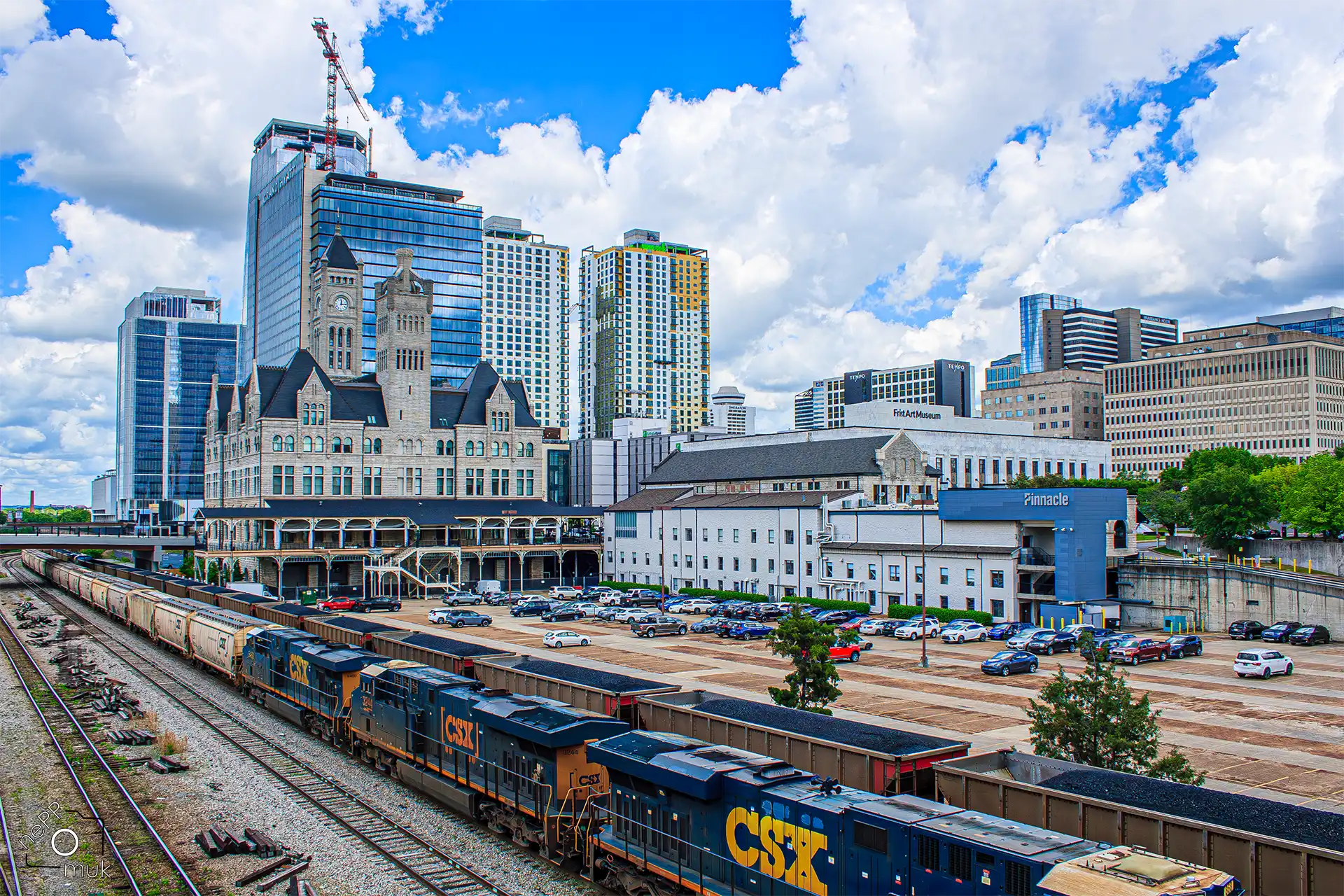
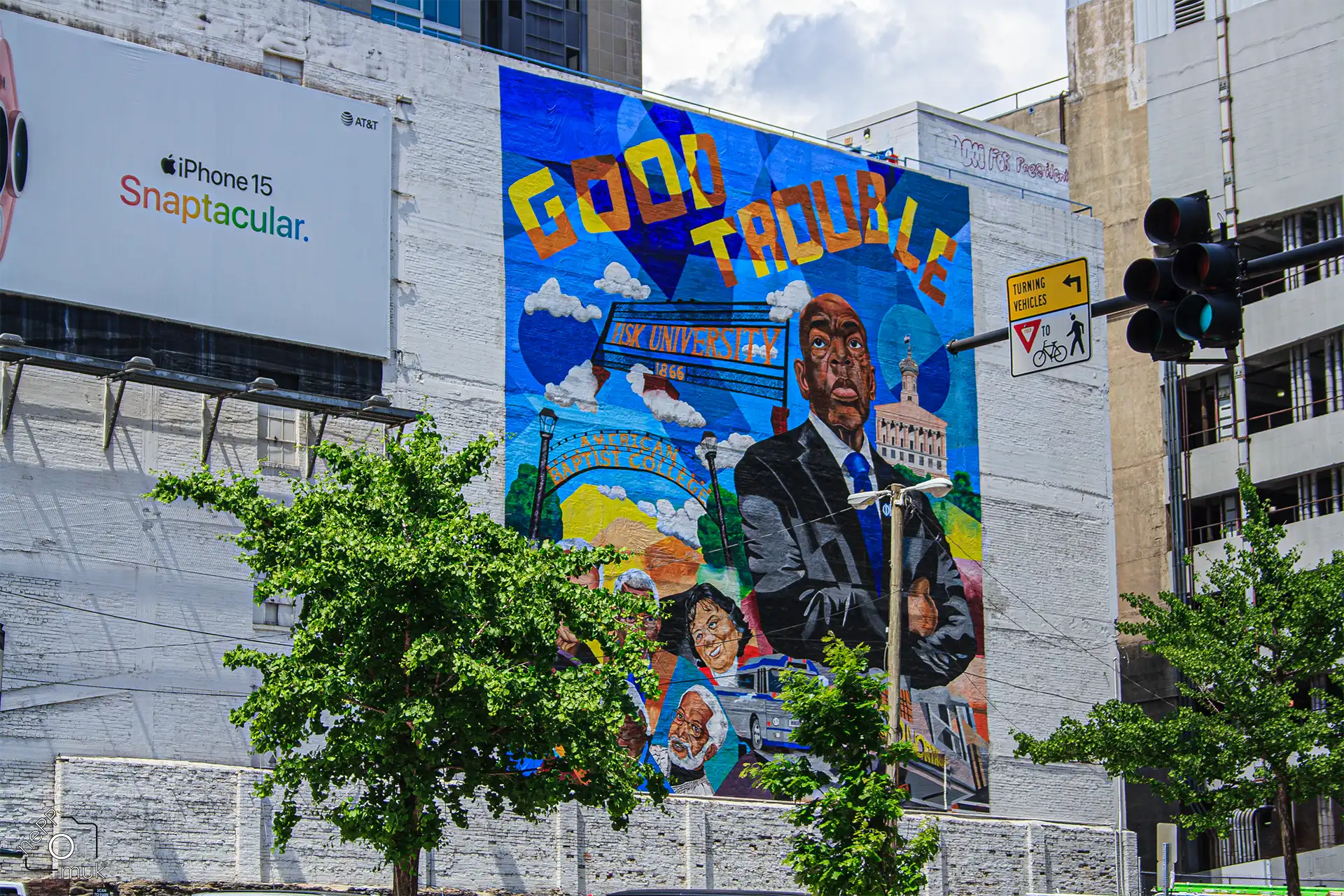
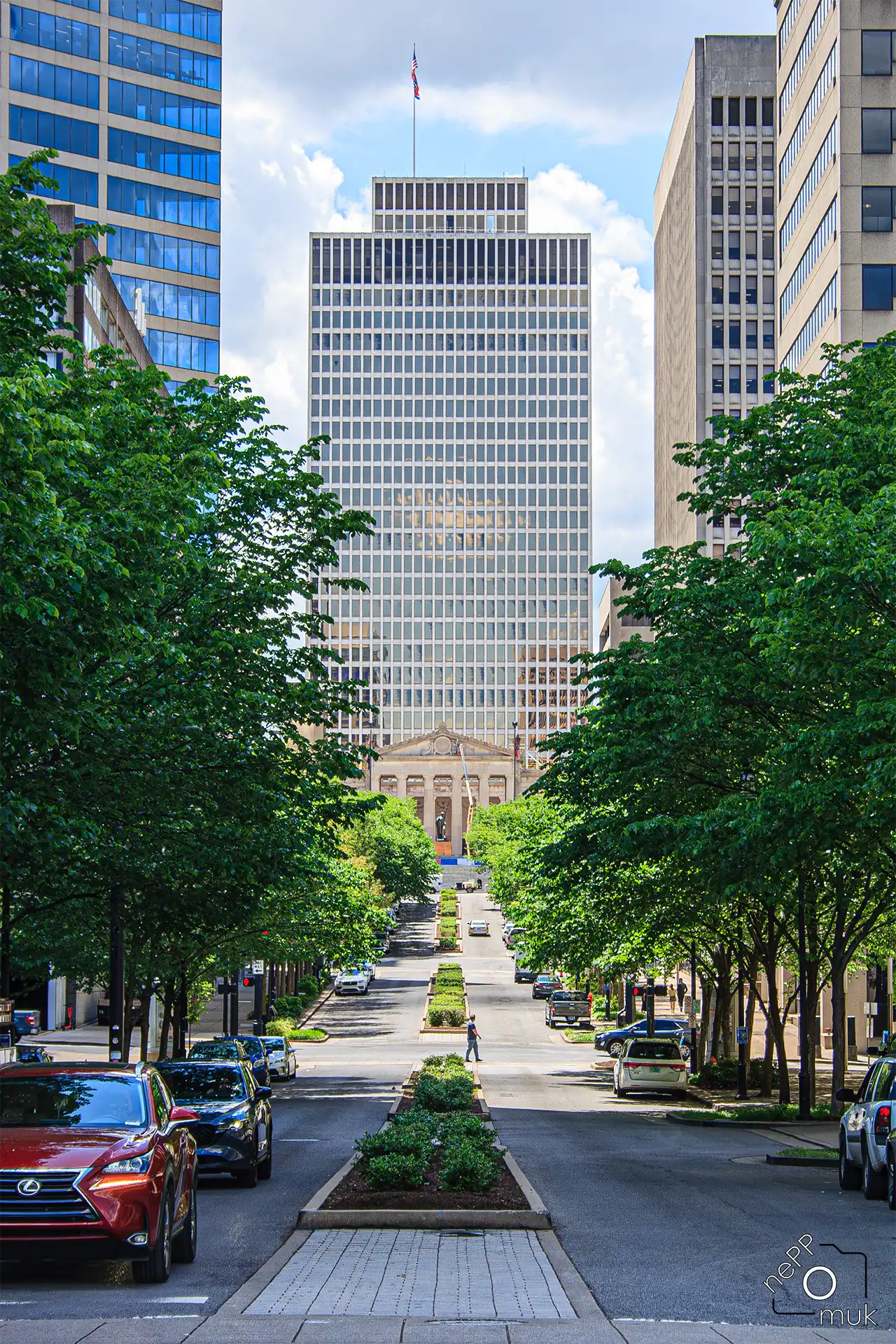
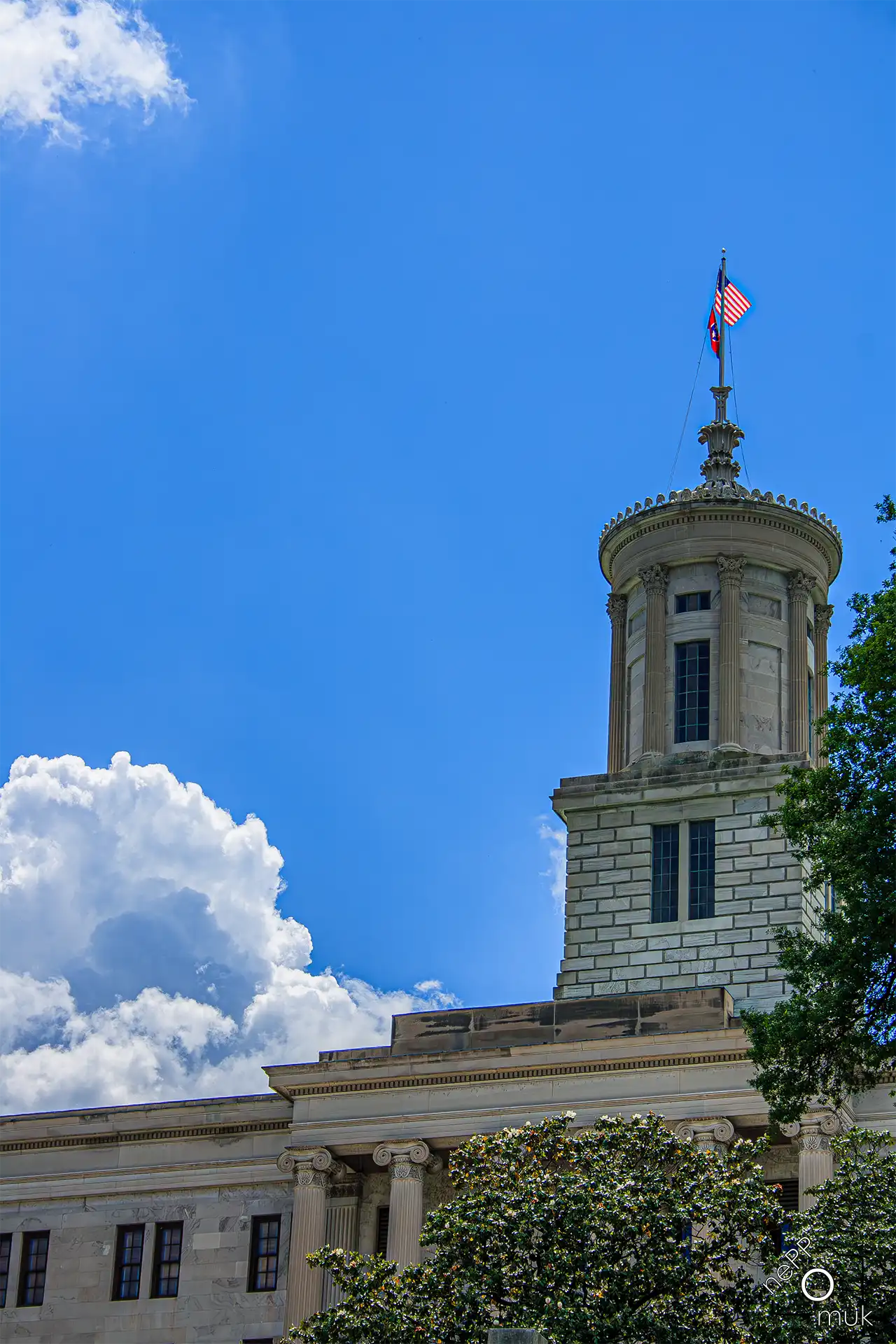
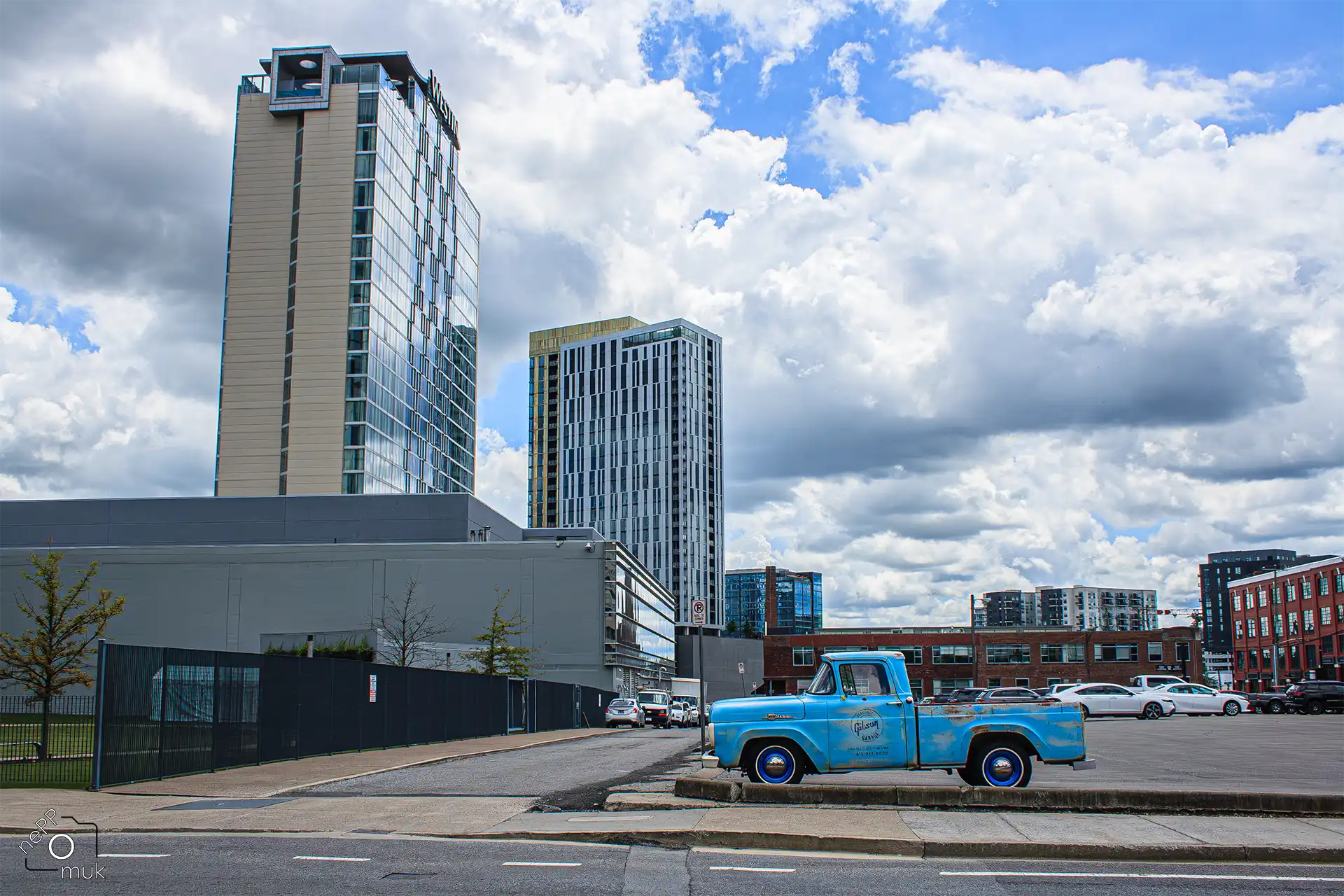
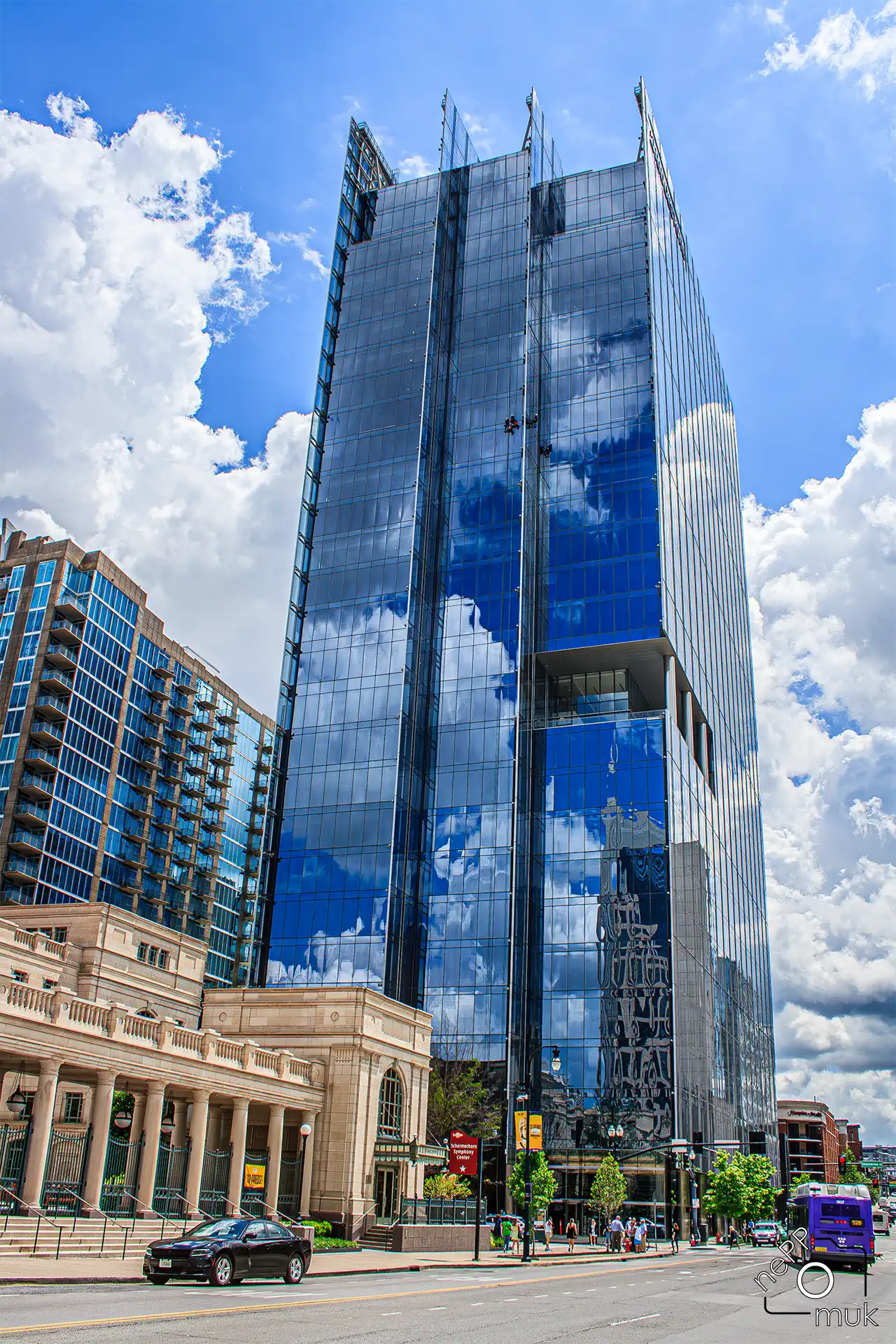
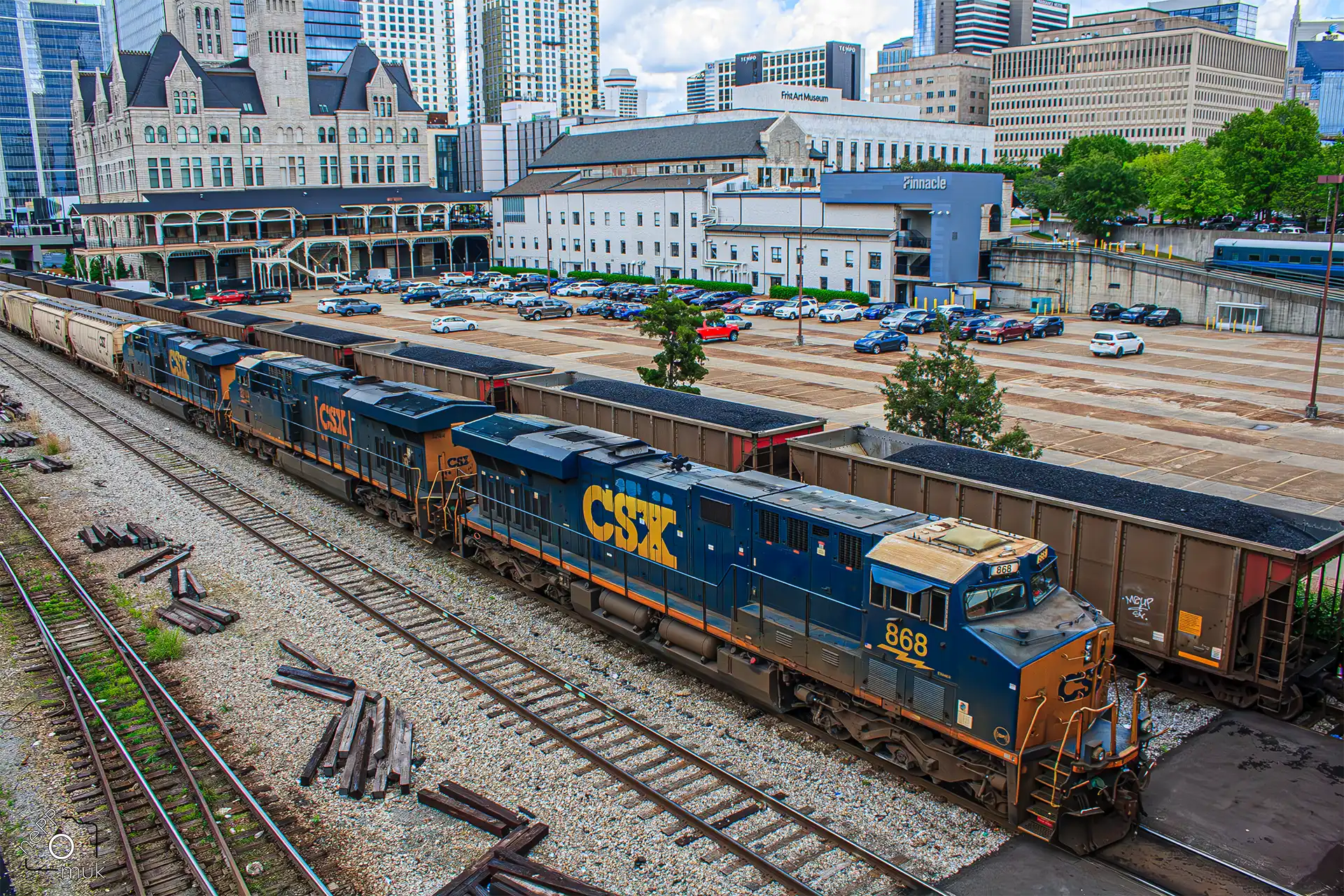
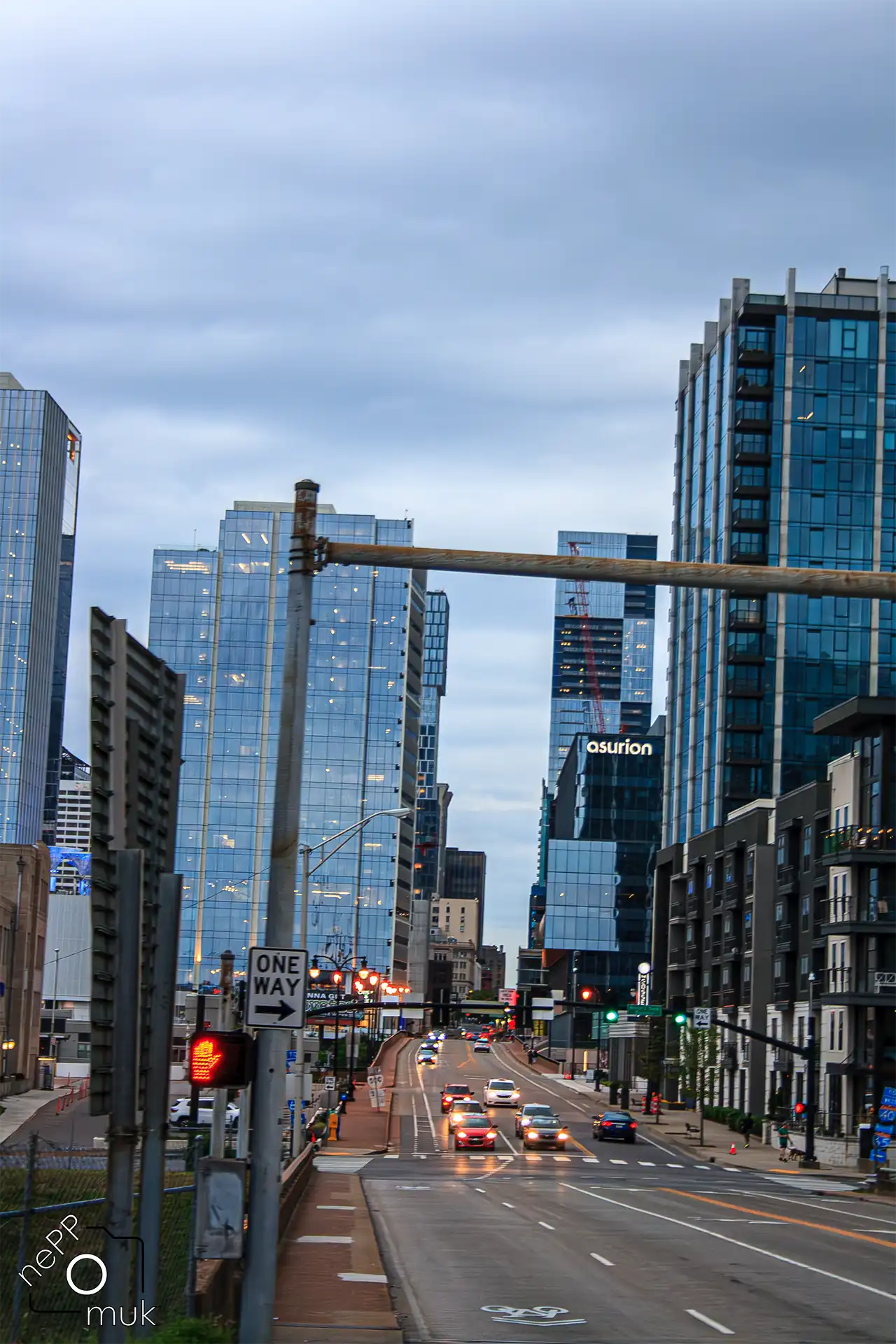
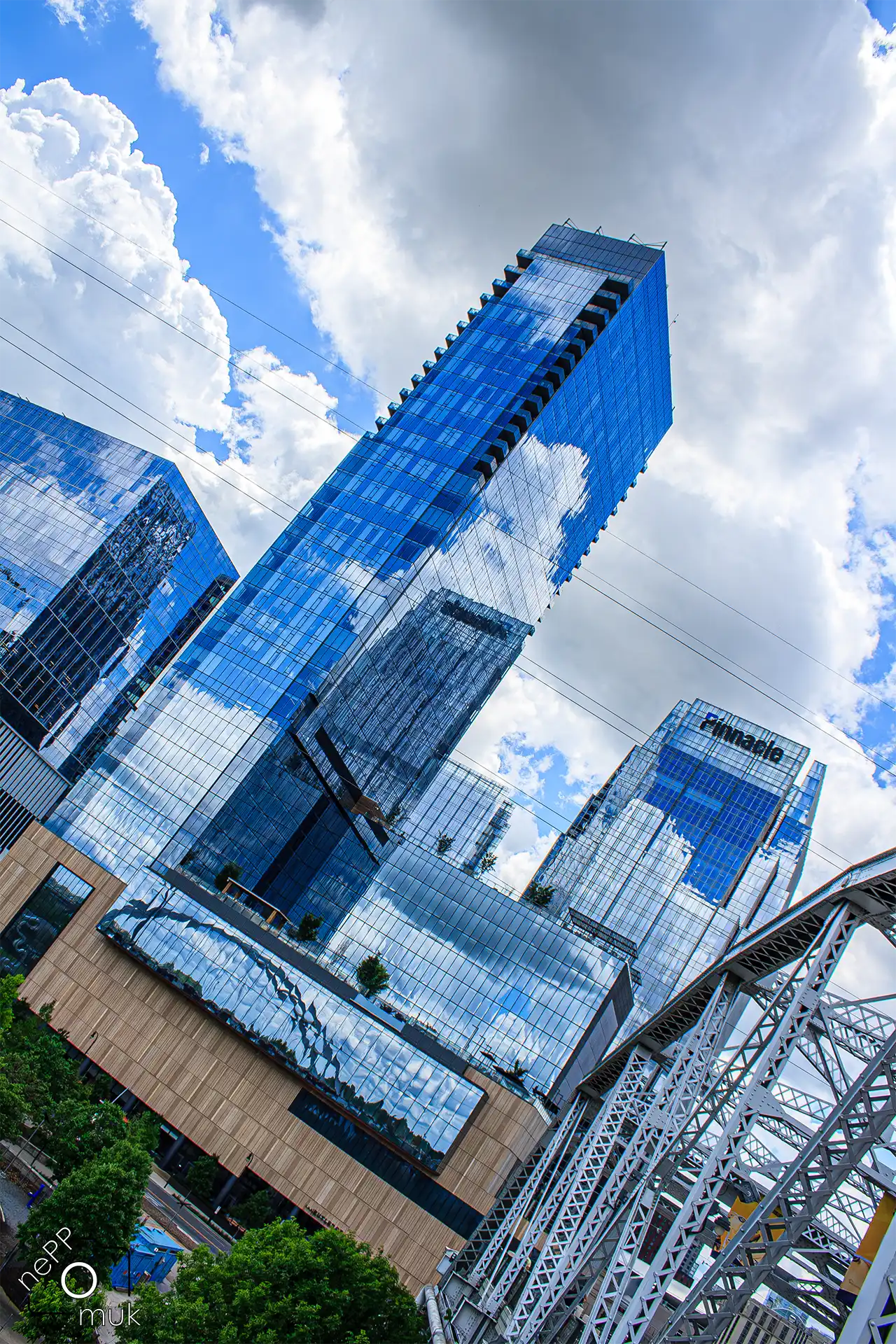
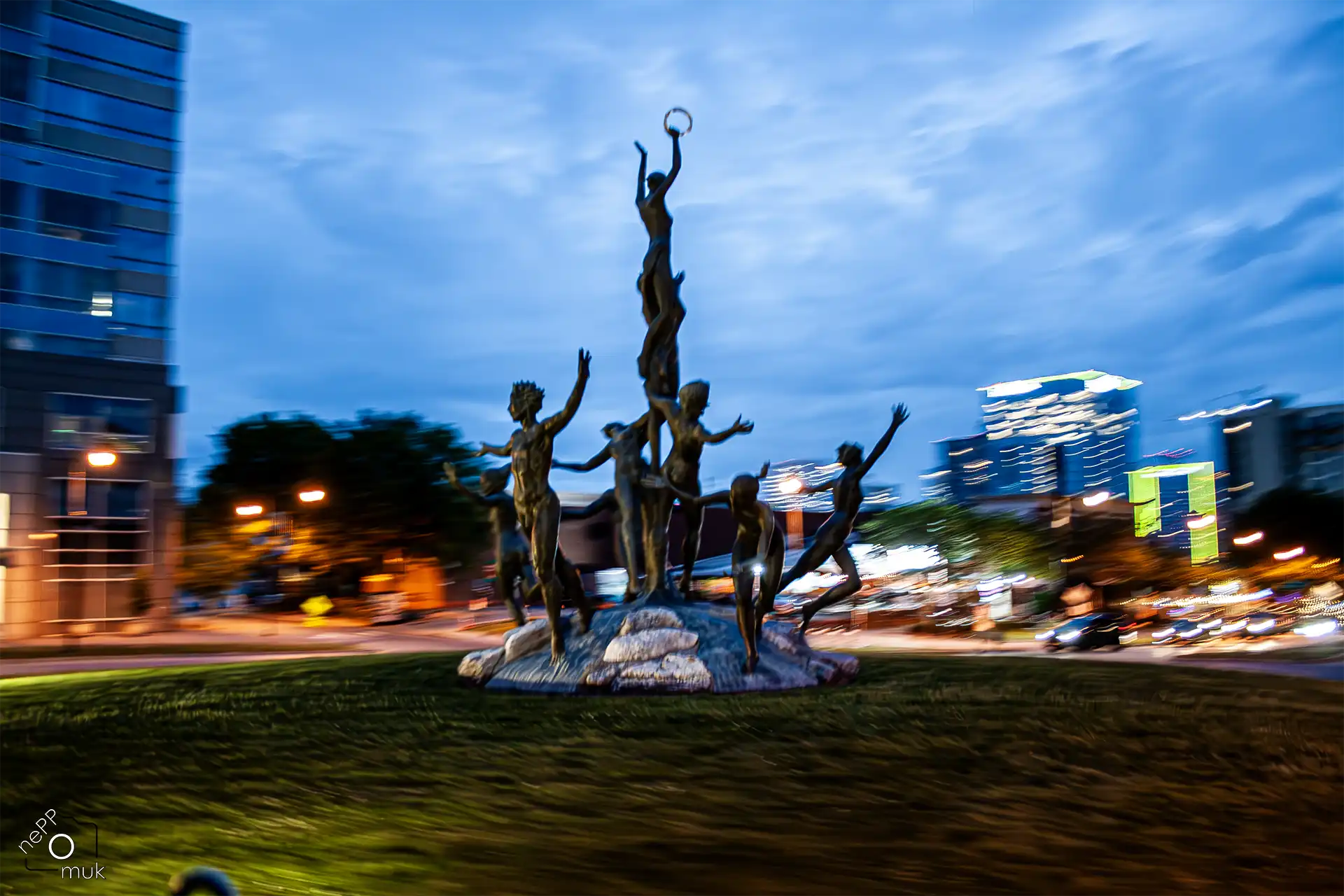
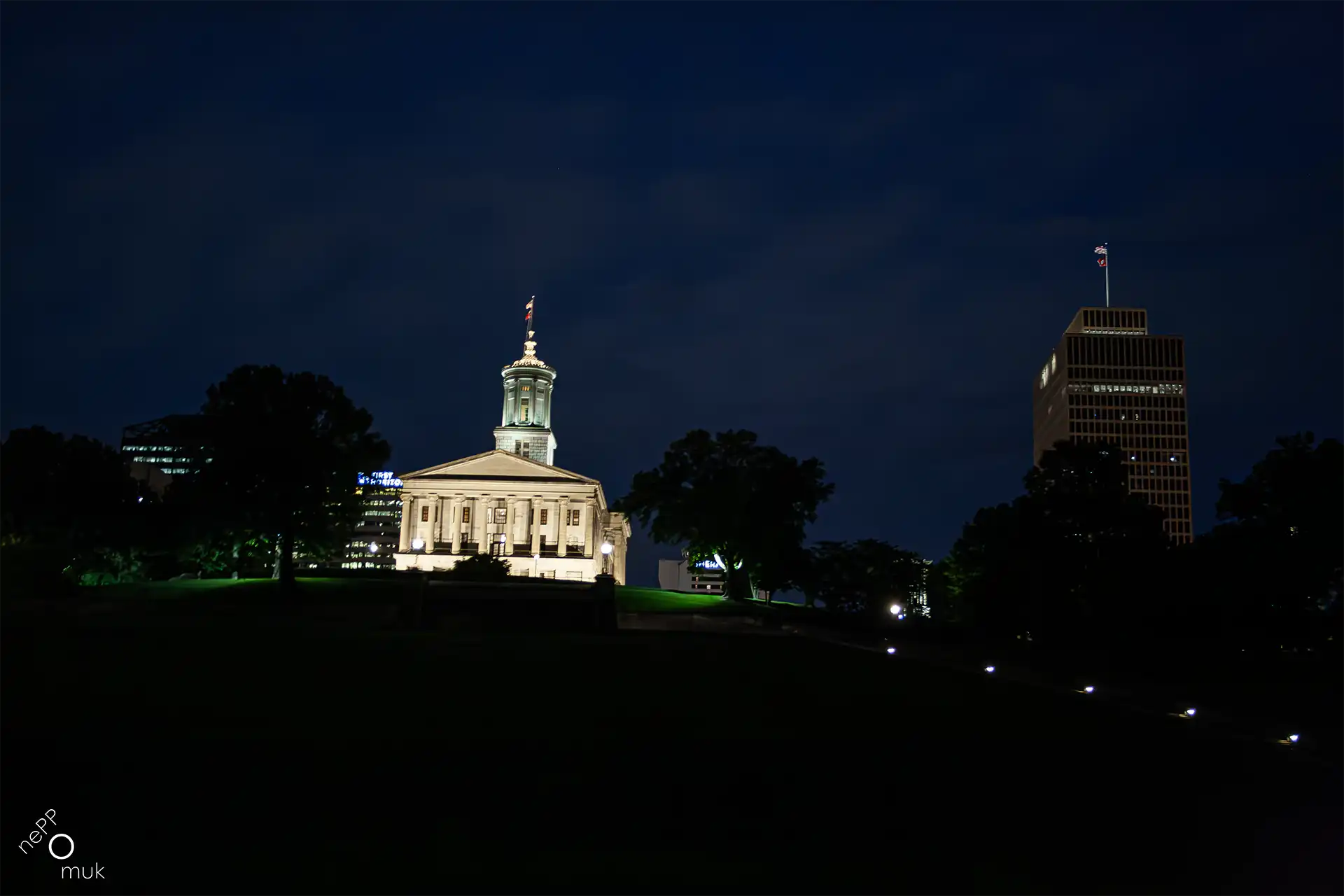
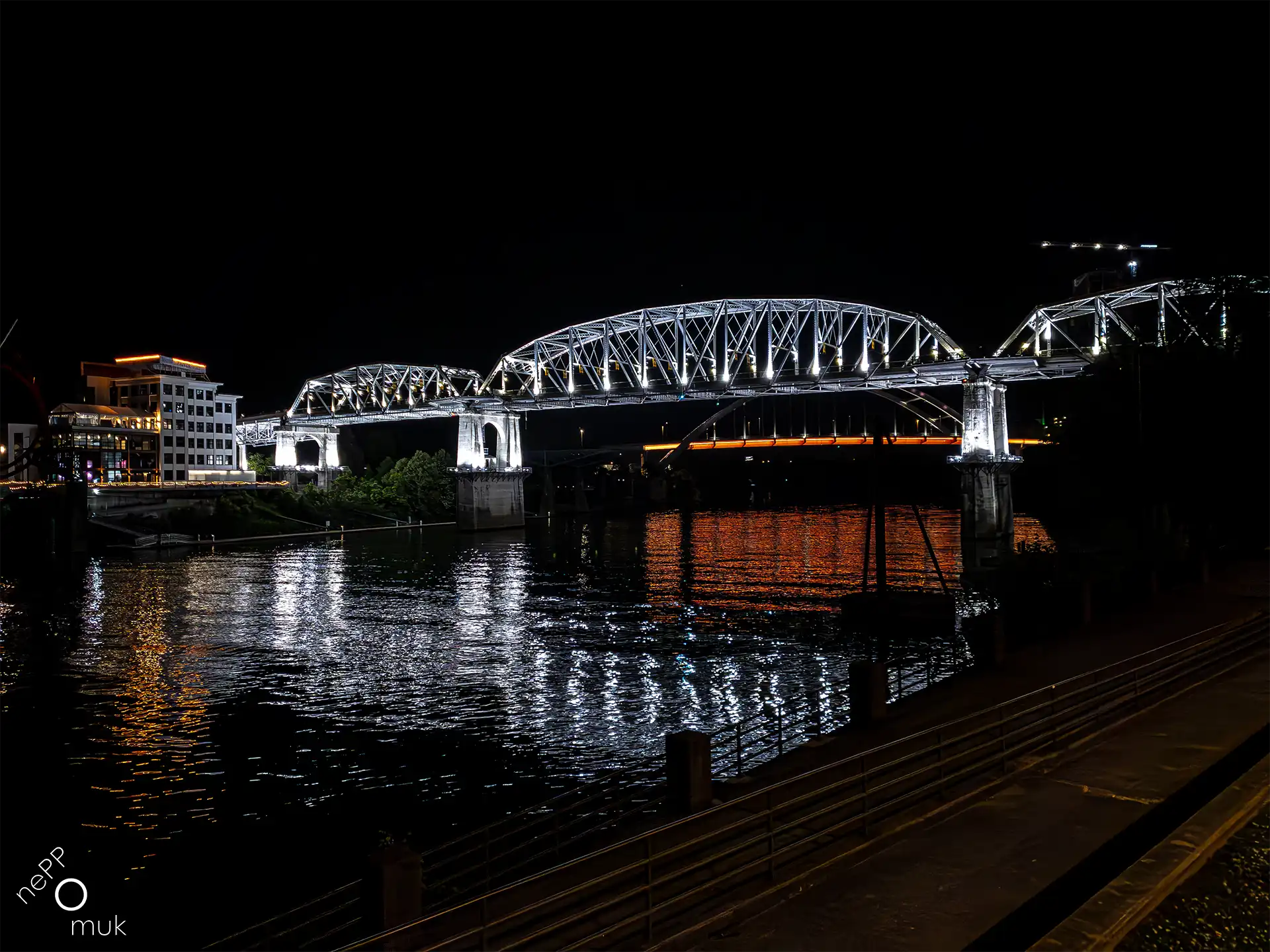
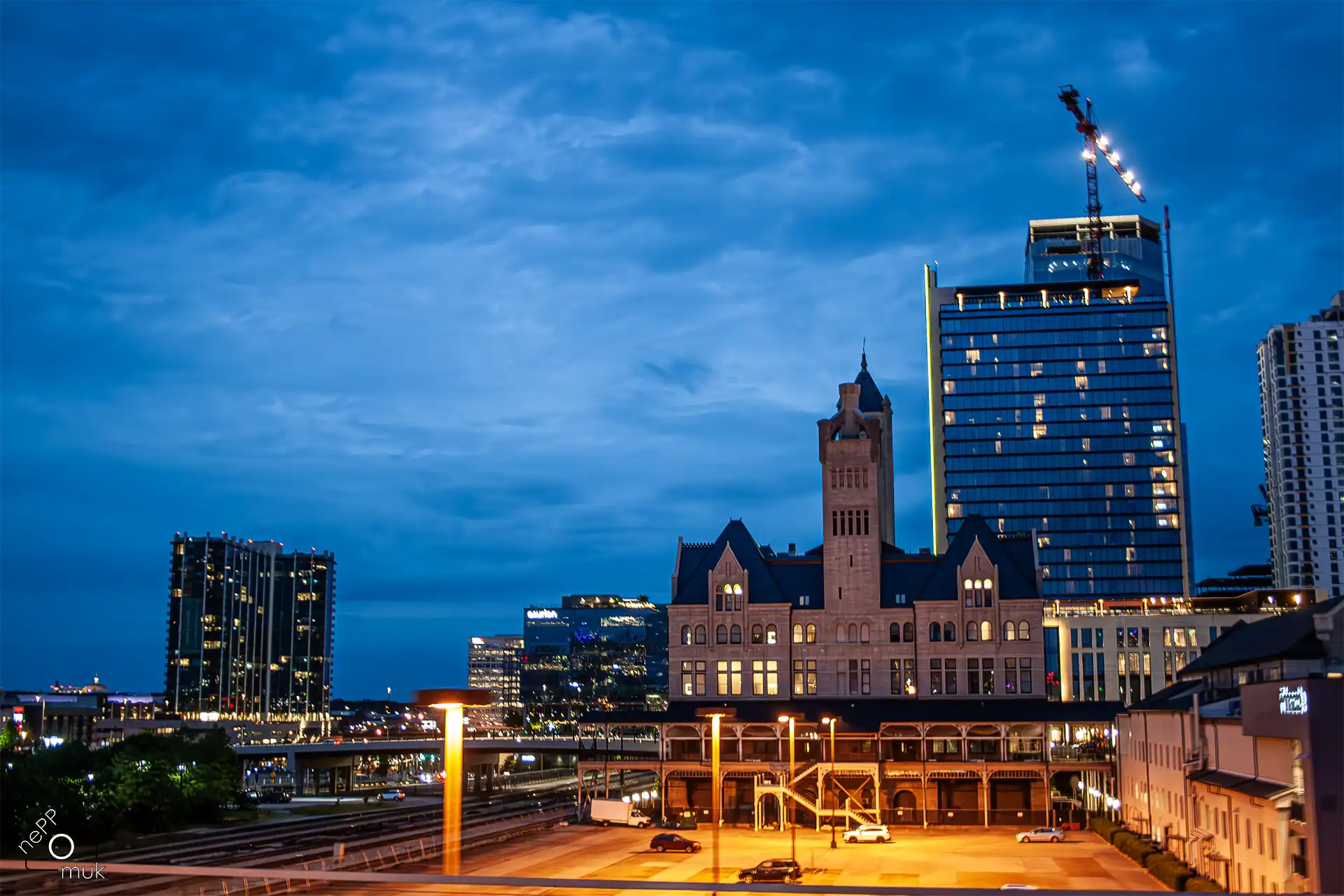
Nashville ist weit mehr als Music City. Hinter den Neonlichtern der Broadway-Bars und dem allgegenwärtigen Soundtrack aus Country, Blues und Rock verbirgt sich eine Stadt mit ungewöhnlicher kultureller Tiefe. Nashville verbindet musikalische Weltgeltung mit klassischer Bildungstradition, Architektur und einem ausgeprägten Selbstverständnis als geistiges Zentrum des Südens. Diese Mischung prägt das Stadtbild ebenso wie die Atmosphäre – selbstbewusst, kreativ und überraschend reflektiert.
Athens of the South
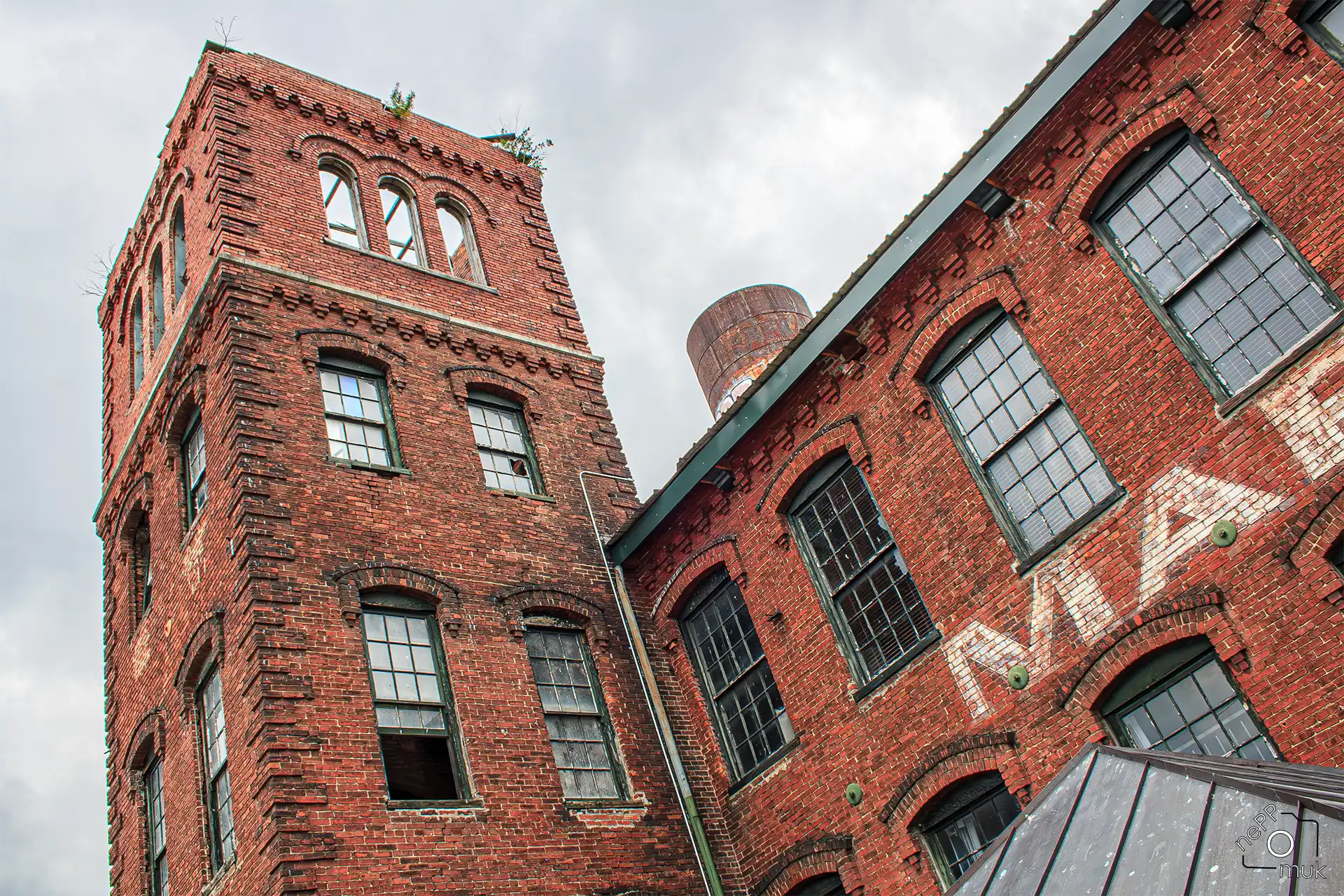
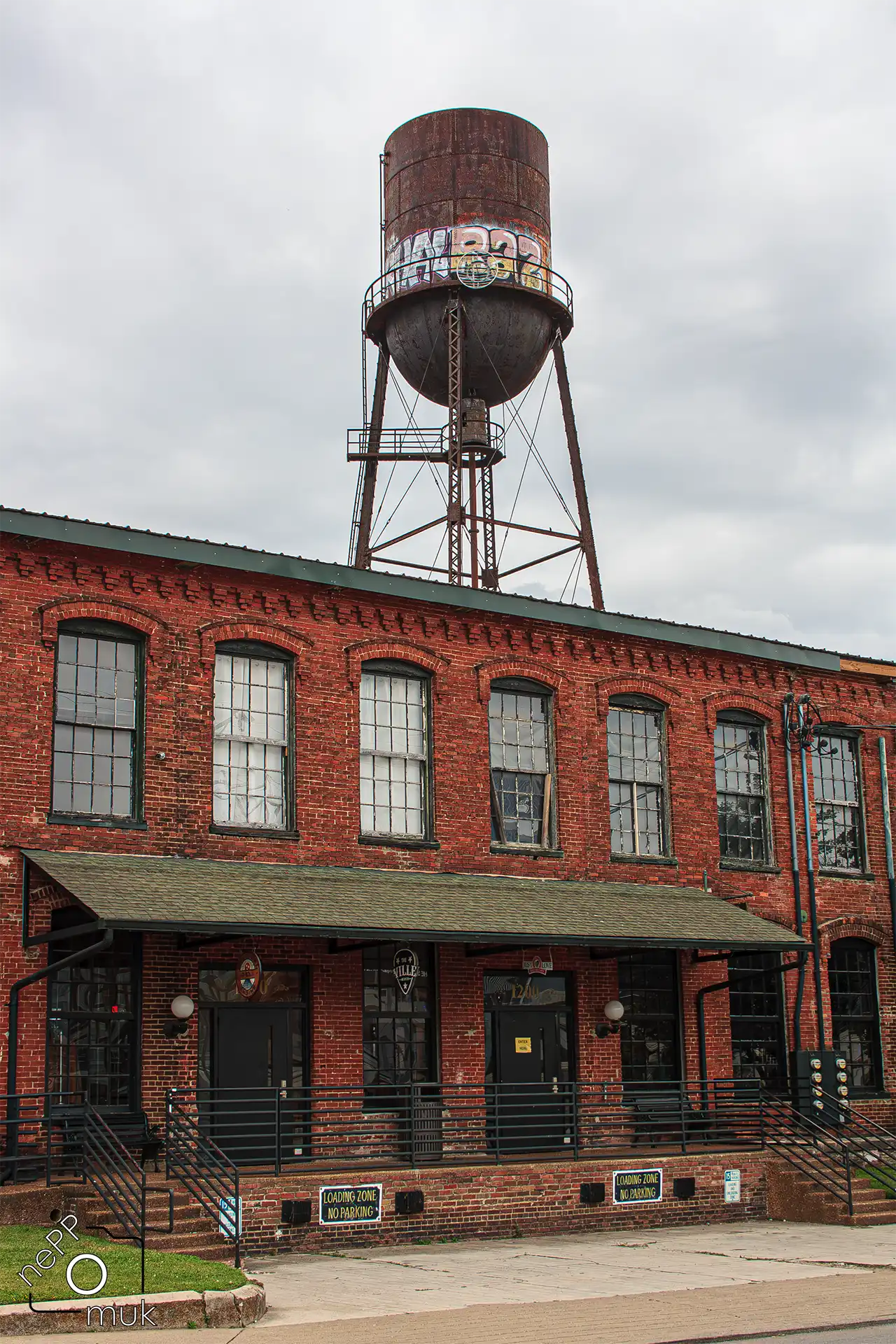
Der Beiname „Athens of the South“ ist kein touristischer Kunstgriff, sondern Ausdruck eines historisch gewachsenen Selbstverständnisses. Bereits im 19. Jahrhundert entwickelte sich Nashville zu einem der wichtigsten Bildungszentren im Süden der Vereinigten Staaten. In einer Region, die lange Zeit stärker agrarisch und wirtschaftlich geprägt war, setzte Nashville bewusst auf Wissen, akademische Institutionen und kulturelle Infrastruktur – ein Anspruch, der der Stadt früh eine Sonderstellung verlieh.
Read more
Maßgeblich dafür war die ungewöhnlich hohe Dichte an Hochschulen und Colleges. Einrichtungen wie die Vanderbilt University, Belmont University oder Tennessee State University prägten nicht nur das Stadtbild, sondern auch das gesellschaftliche Klima. Nashville zog Studierende, Intellektuelle, Künstler und Reformer an und wurde zu einem Ort des Austauschs, der Debatte und der kulturellen Entwicklung. Bildung galt hier als Motor für Fortschritt – ein Gedanke, der stark an das klassische Ideal der Antike erinnert.
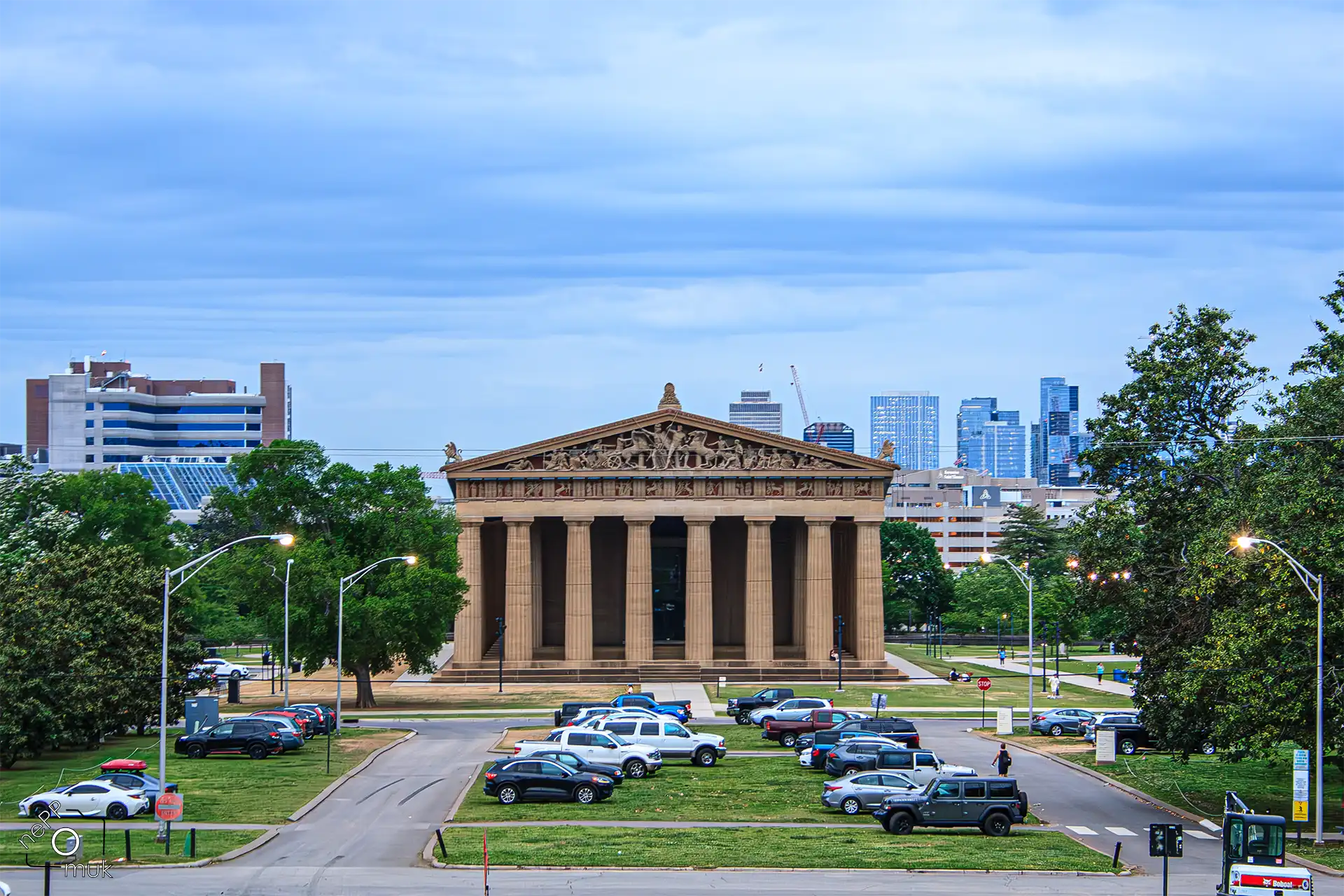
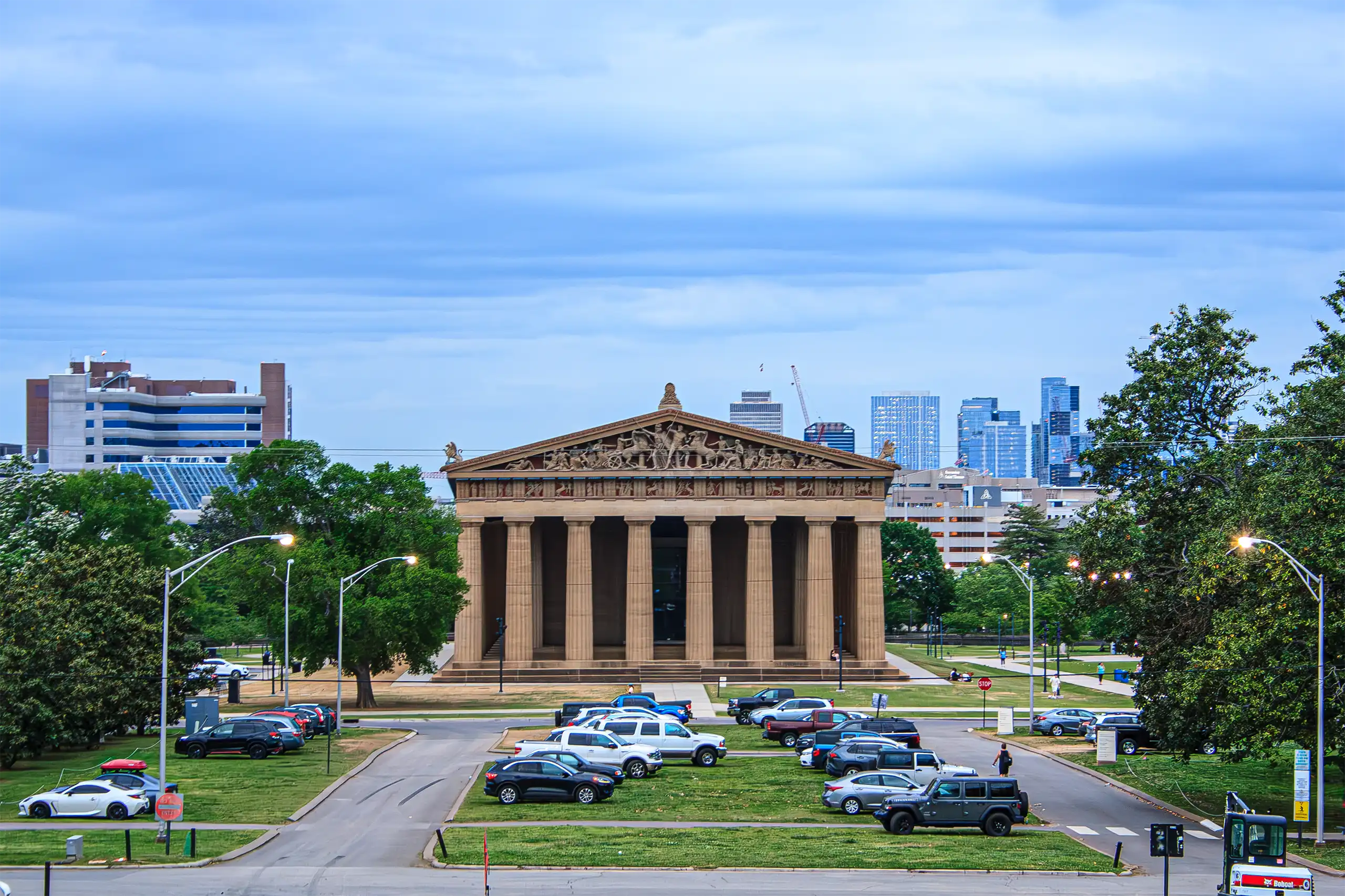
Das sichtbarste Symbol dieses Anspruchs ist der Parthenon im Centennial Park, eine originalgetreue Nachbildung des antiken Tempels in Athen. Errichtet anlässlich der Tennessee Centennial Exposition von 1897, ist er bis heute einzigartig in den USA. Der Bau ist mehr als eine architektonische Kuriosität: Er steht sinnbildlich für Nashvilles Orientierung an klassischen Werten wie Wissen, Kunst und Demokratie. Im Inneren beherbergt der Parthenon ein Kunstmuseum – auch das ein bewusster Verweis auf die Verbindung von Bildung und Öffentlichkeit.
Doch „Athens of the South“ erschöpft sich nicht in historischen Bauwerken oder akademischen Titeln. Der Begriff beschreibt eine Haltung, die bis in die Gegenwart wirkt. Museen, Theater, Bibliotheken und eine aktive Literaturszene prägen das kulturelle Leben jenseits der bekannten Musikmeilen. Gleichzeitig ist Nashville ein Ort, an dem Popkultur, Musikindustrie und intellektuelle Tradition nicht im Widerspruch stehen, sondern sich gegenseitig beeinflussen.
Gerade diese Verbindung macht den Charakter der Stadt aus. Nashville versteht sich nicht nur als Bühne, sondern auch als Denkraum. Der Titel „Athens of the South“ steht damit für eine Stadt, die Unterhaltung und Bildung, Kreativität und Reflexion bewusst zusammenführt – und genau darin liegt ein oft übersehener, aber zentraler Teil ihrer Identität.

Music City
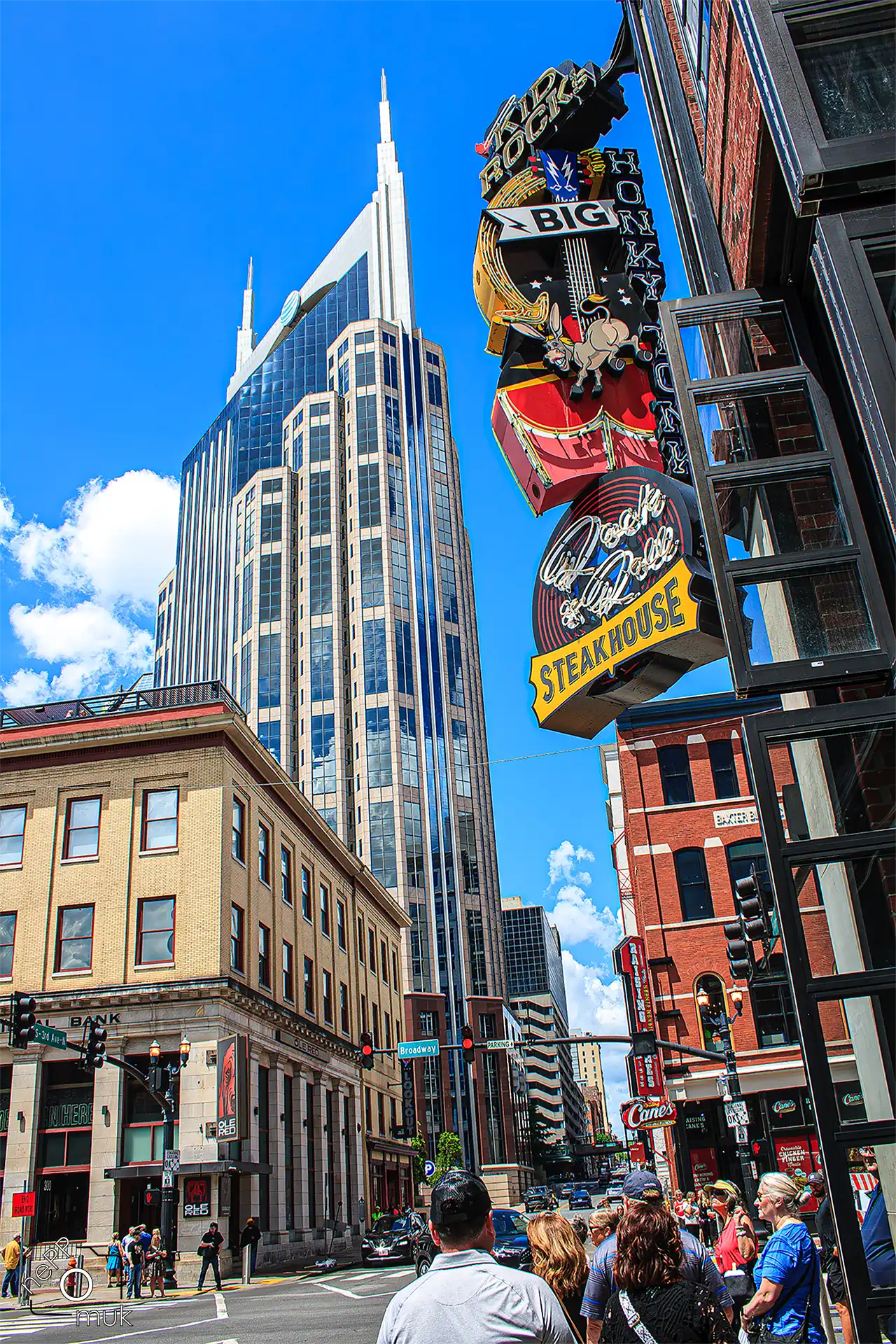
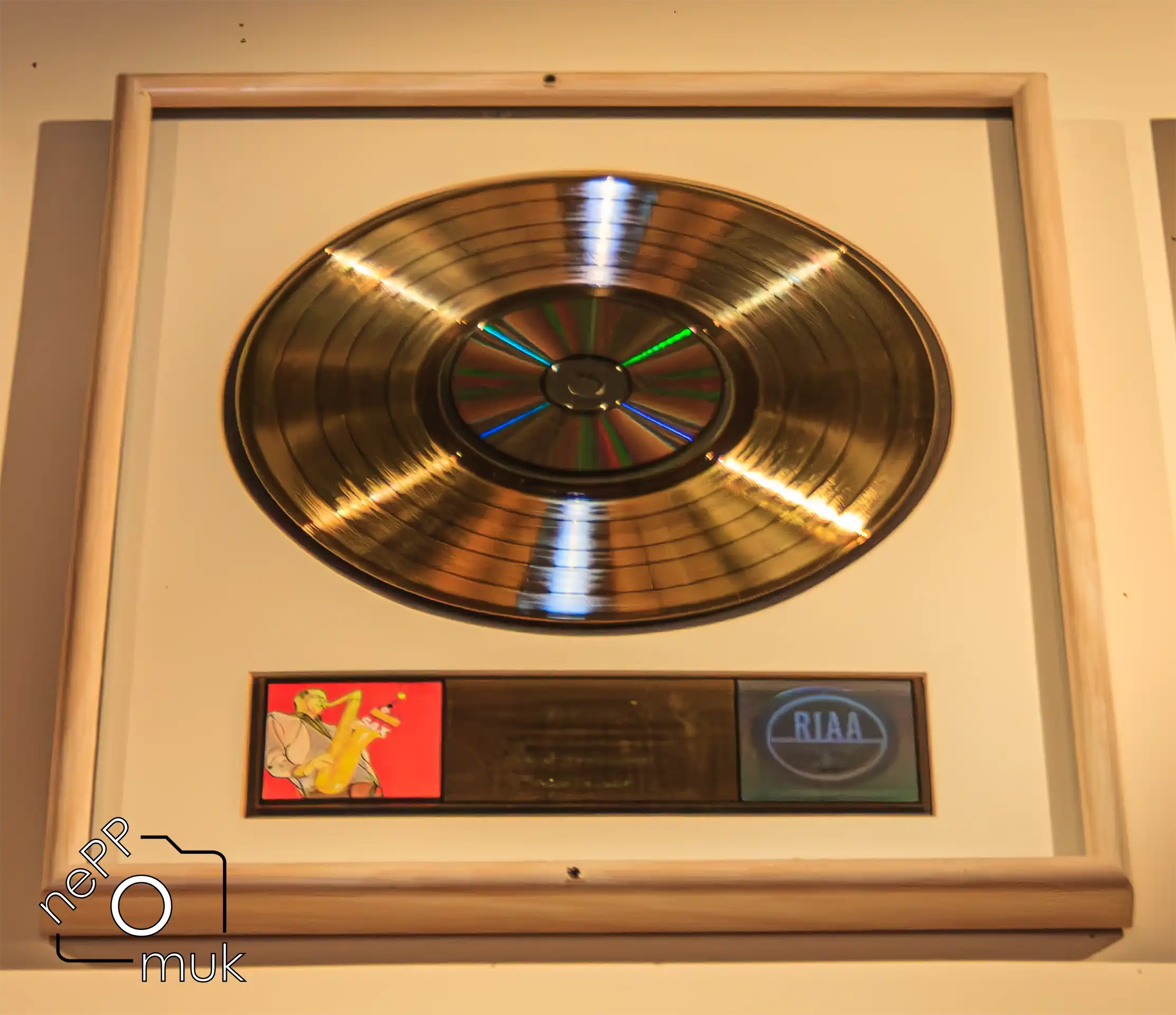
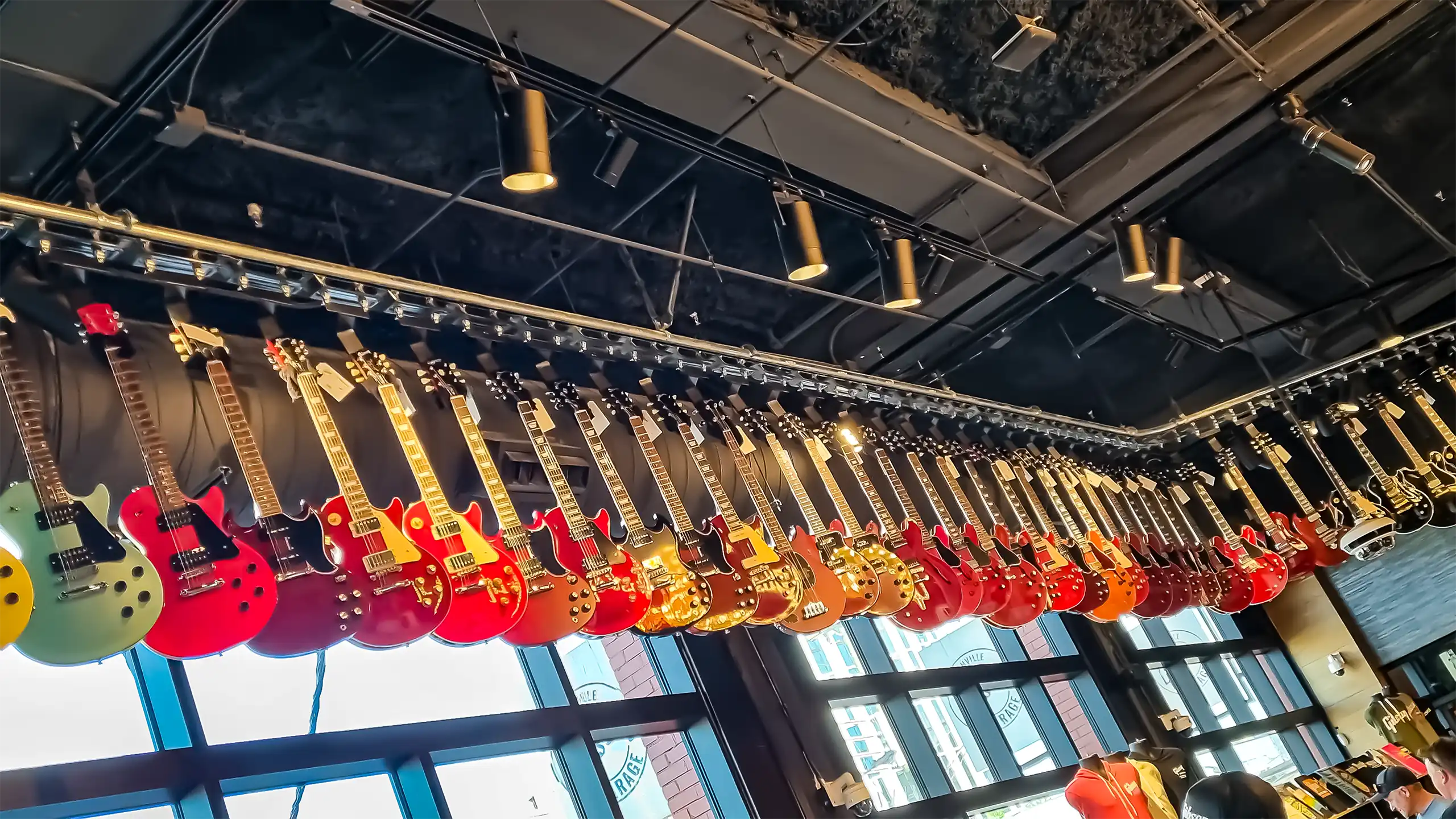
Der Beiname „Music City“ ist untrennbar mit Nashville verbunden und prägt die Wahrnehmung der Stadt weltweit. Musik ist hier kein Event, sondern Teil des Alltags. Sie erklingt in Bars, Clubs, Kirchen, Studios und auf Straßenbühnen – professionell, roh, traditionsbewusst und gleichzeitig offen für Neues. Nashville ist nicht nur Ort des Konsums, sondern vor allem ein Ort der Entstehung von Musik.
Read more
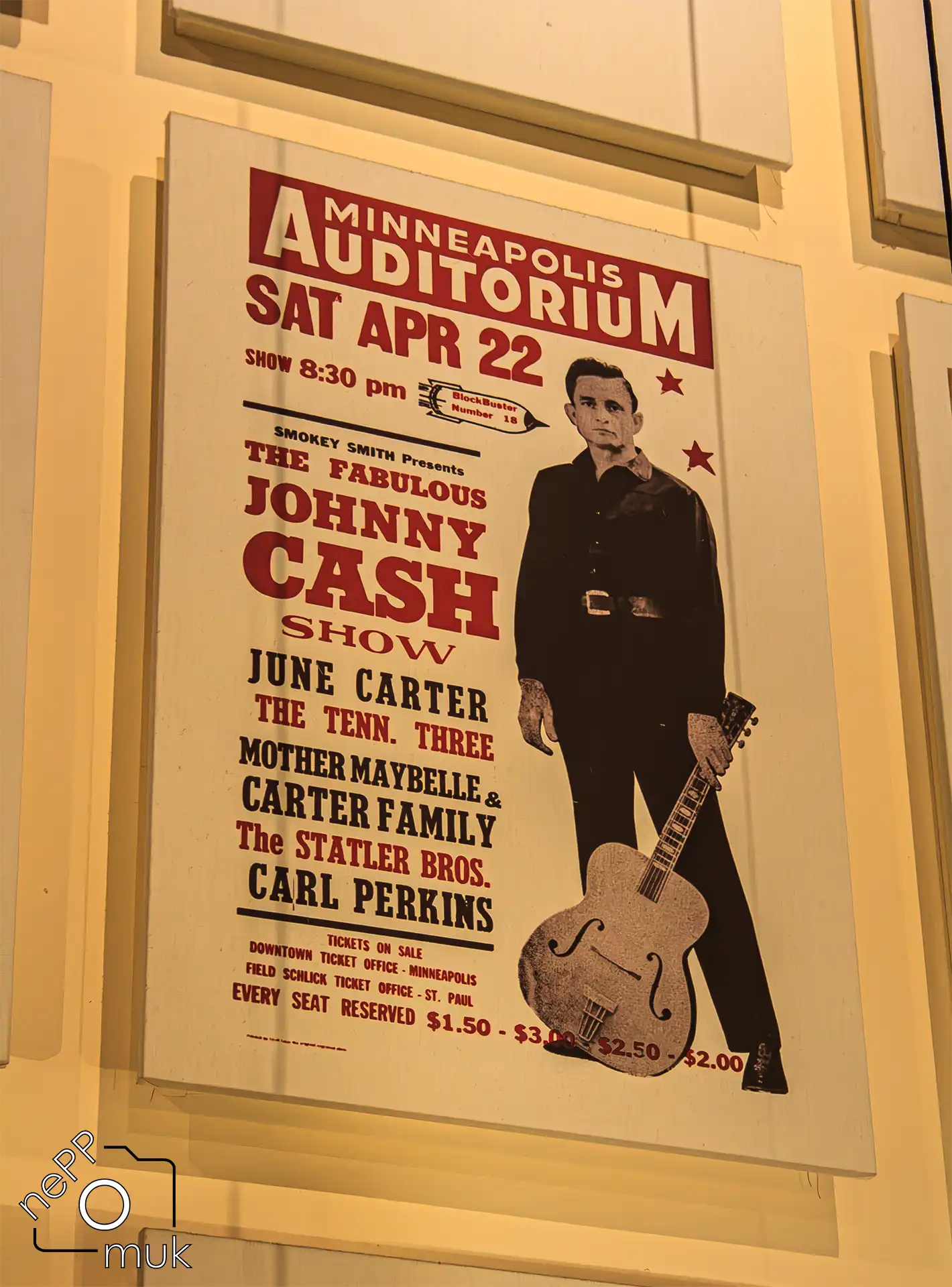
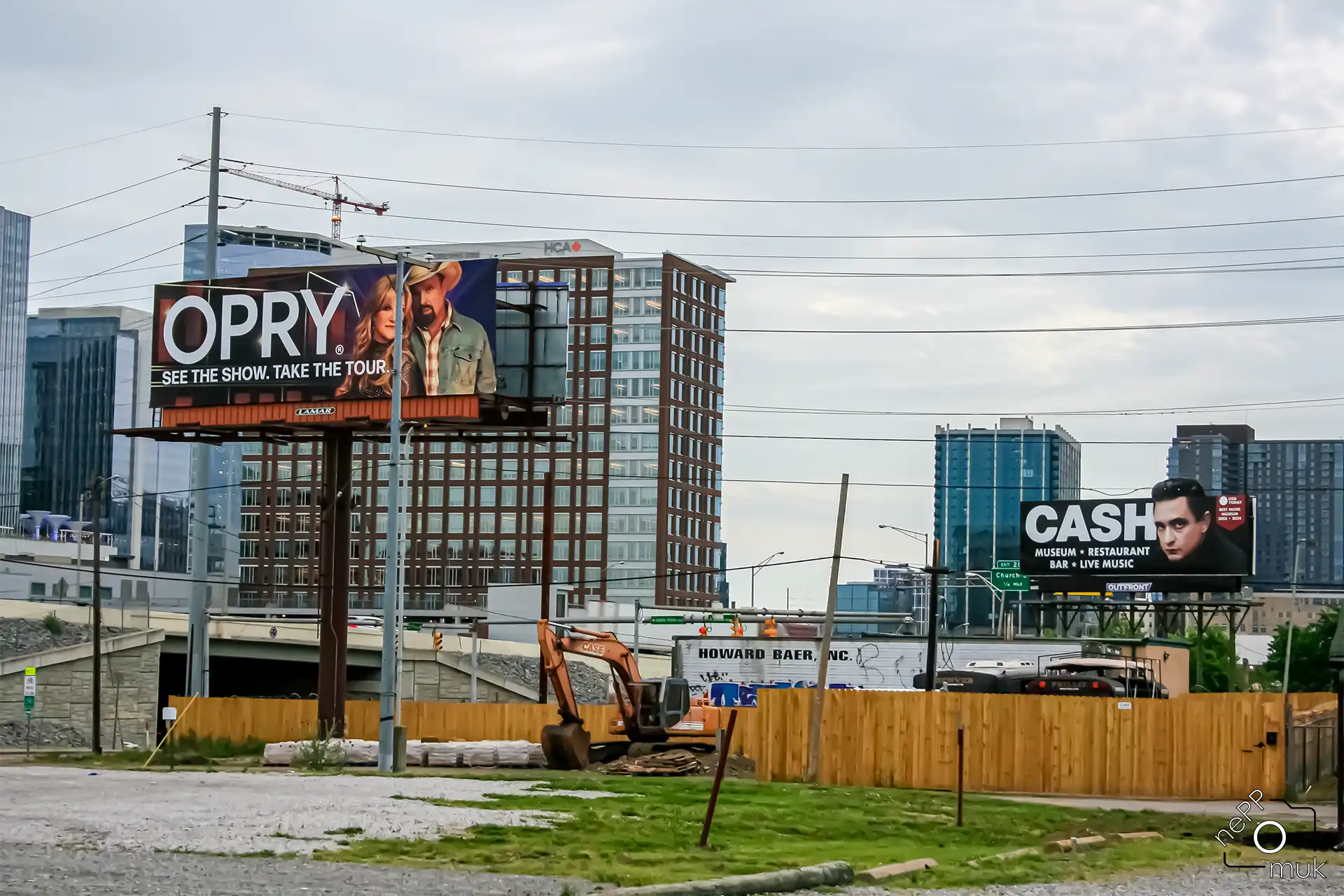
Historisch steht die Stadt wie kaum eine andere für Country Music. Institutionen wie die Grand Ole Opry oder das Ryman Auditorium machten Nashville bereits im frühen 20. Jahrhundert zum Zentrum dieses Genres. Hier wurden Karrieren begründet, Stile definiert und Musikgeschichte geschrieben. Gleichzeitig entwickelte sich eine professionelle Infrastruktur aus Tonstudios, Verlagen, Labels und Songwriter-Netzwerken, die Nashville bis heute zu einem der wichtigsten Musikstandorte der USA macht.
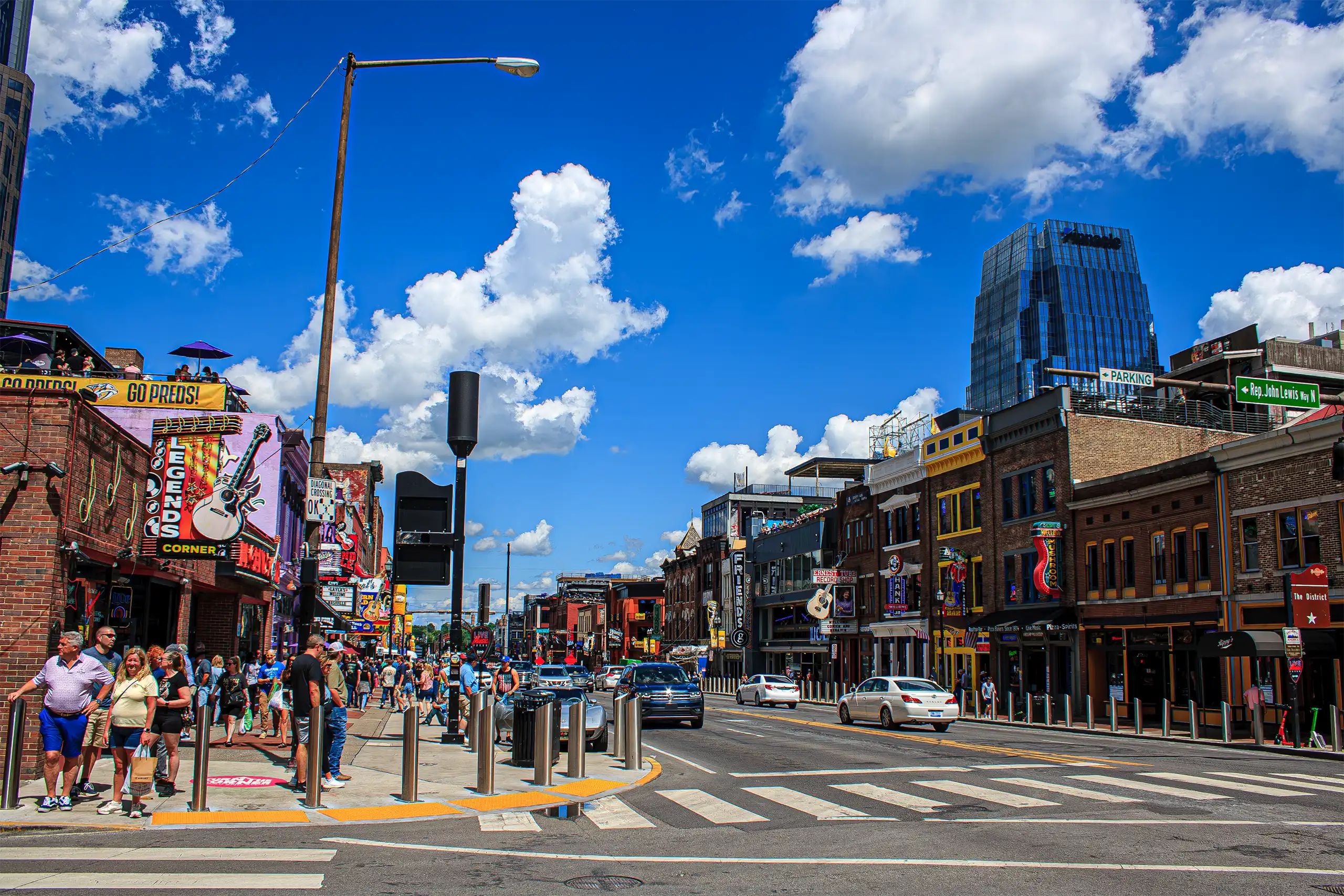
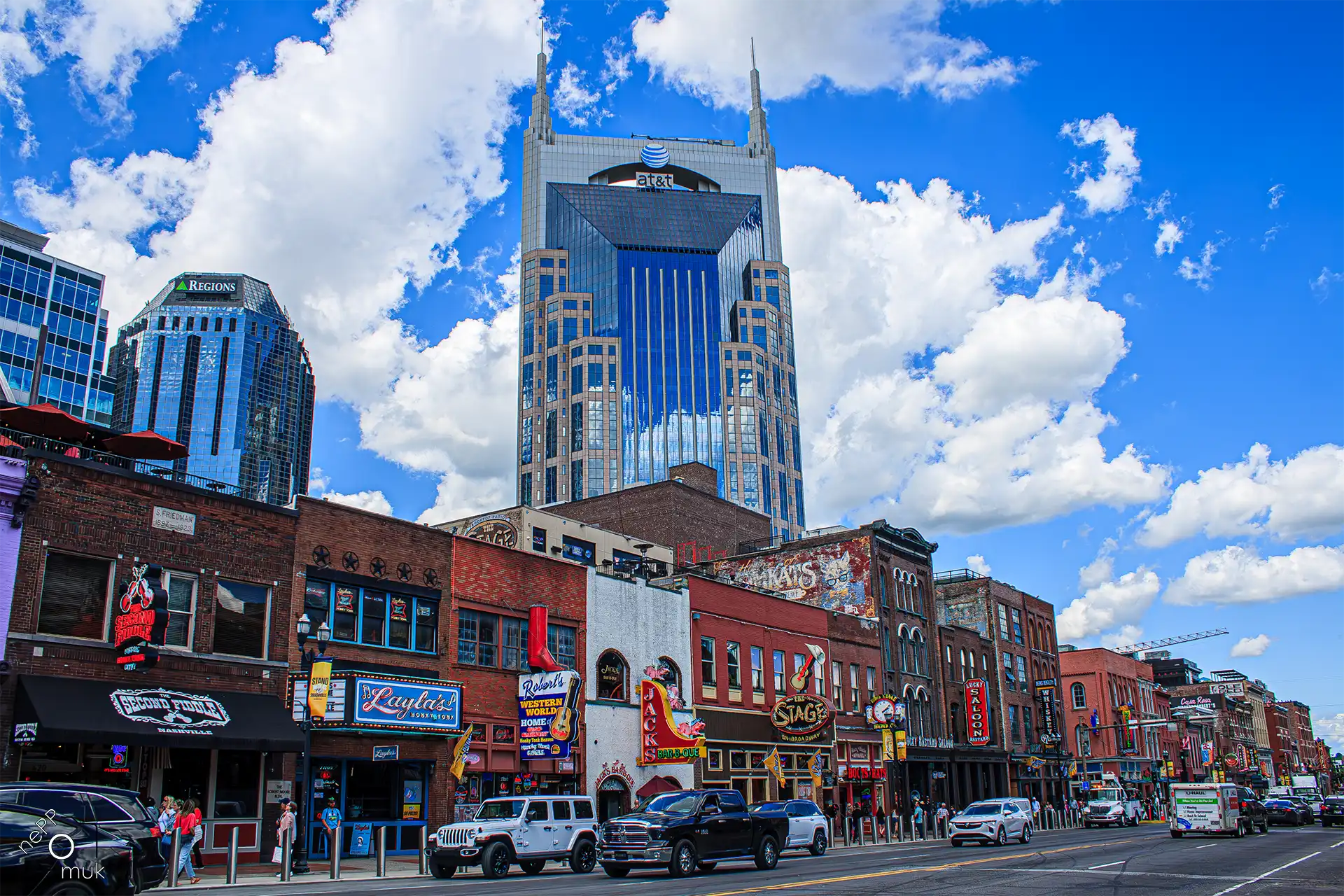
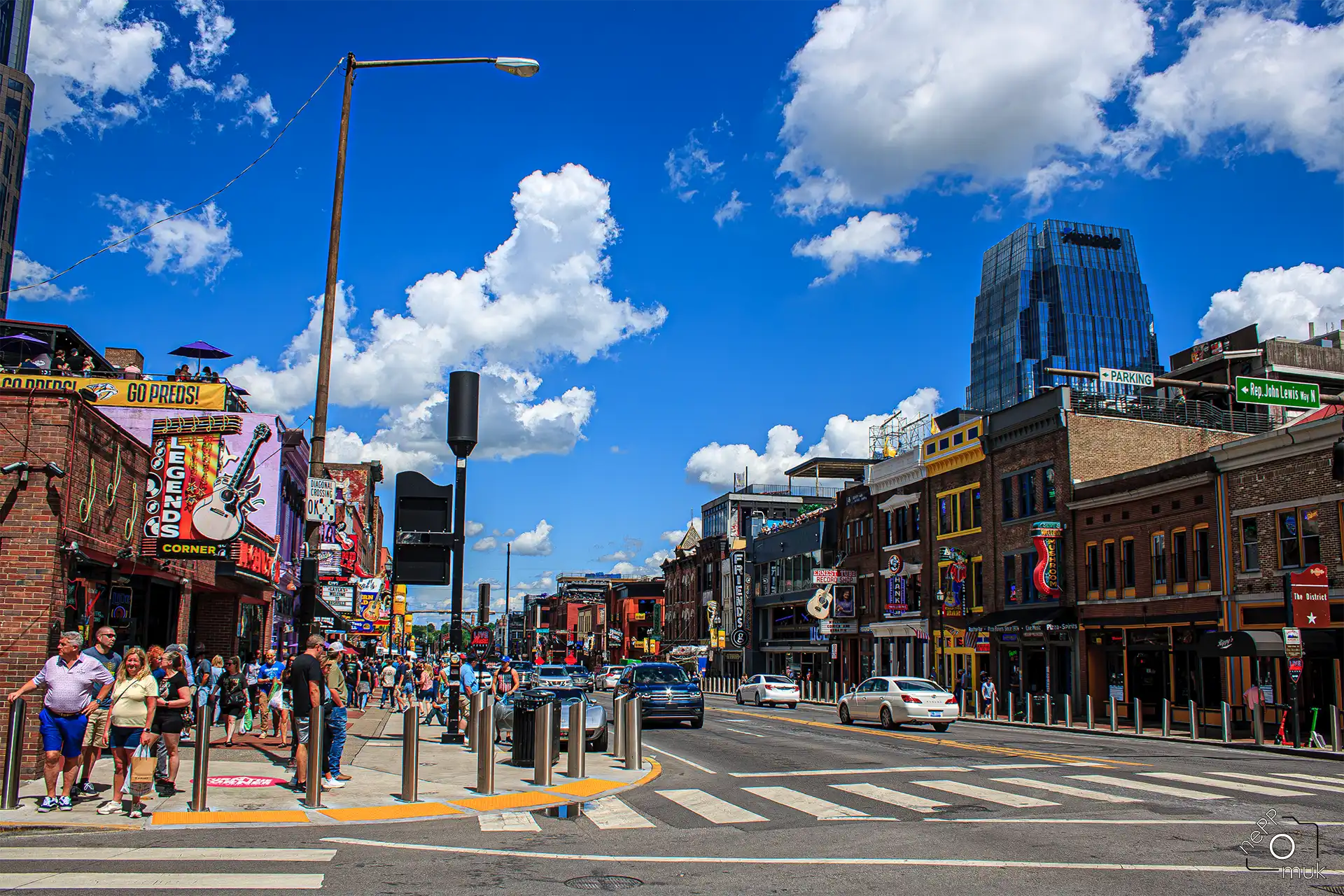
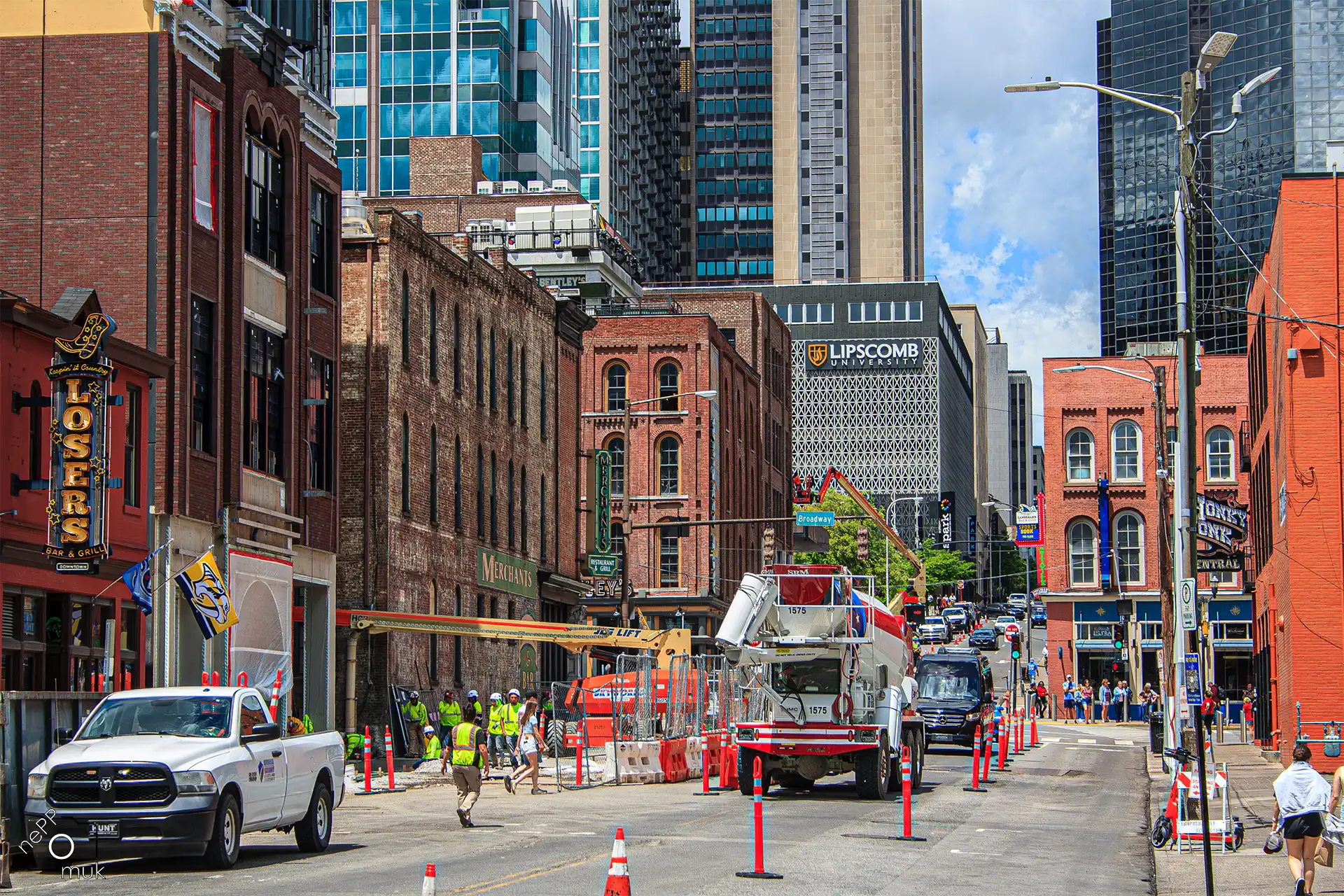
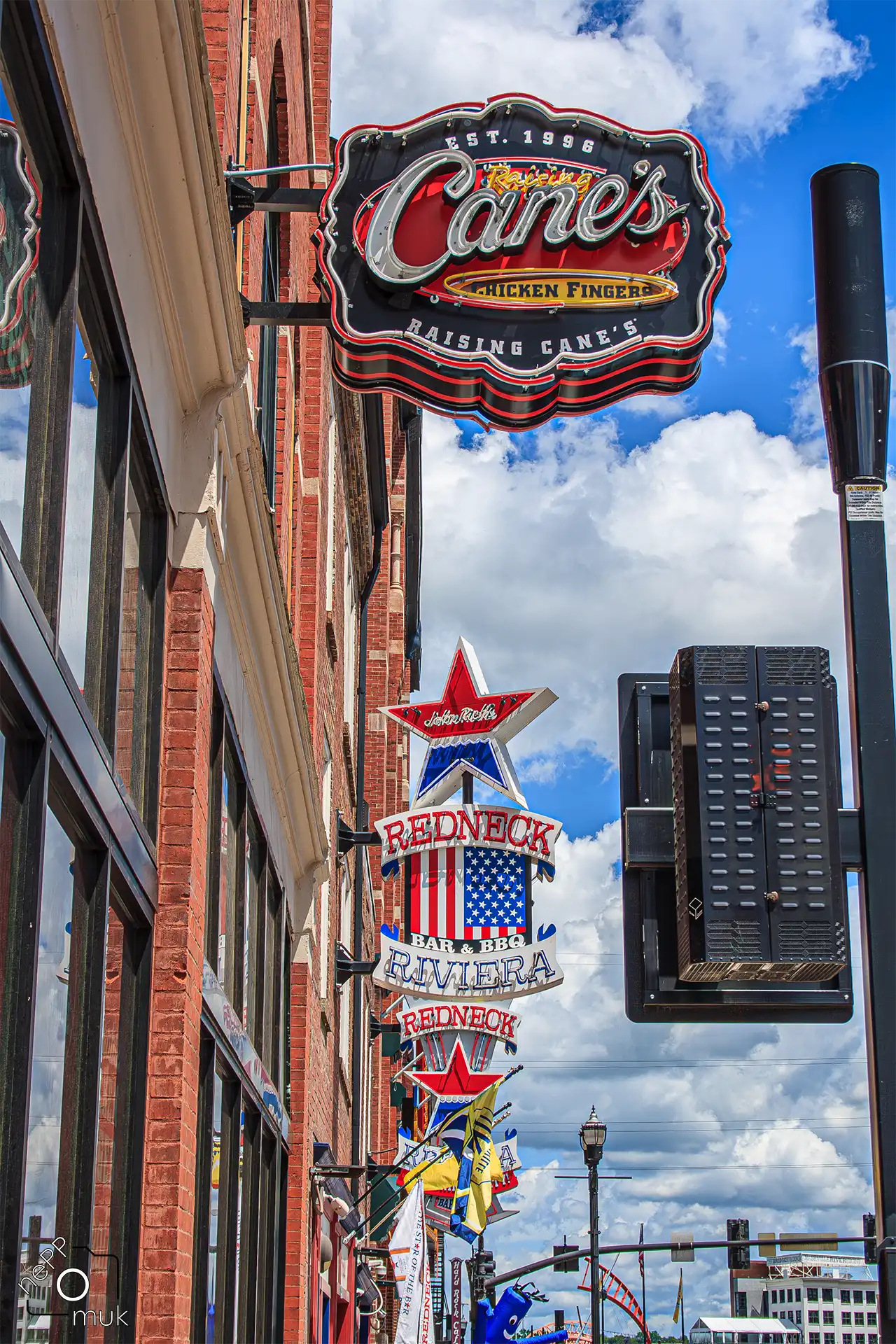
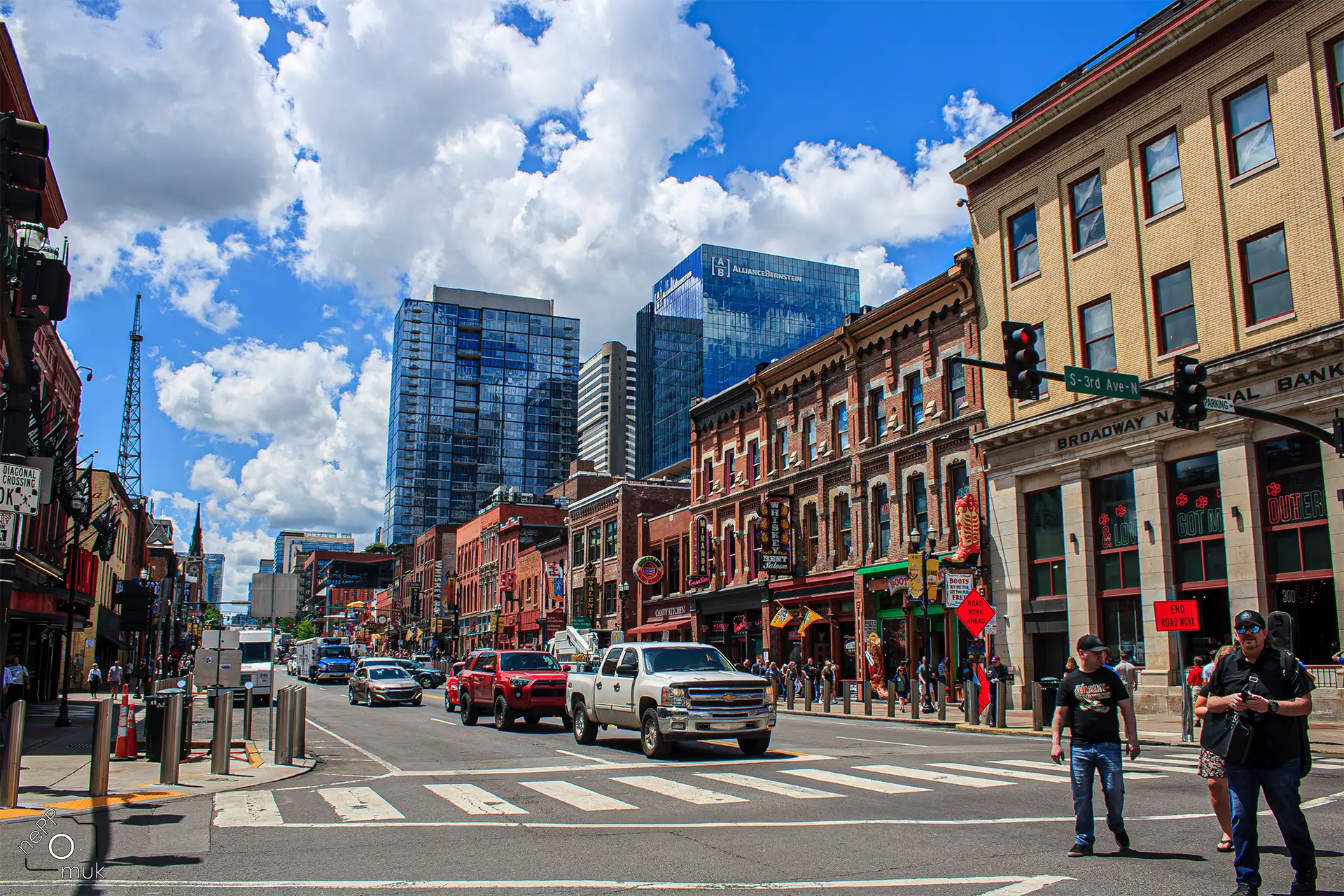
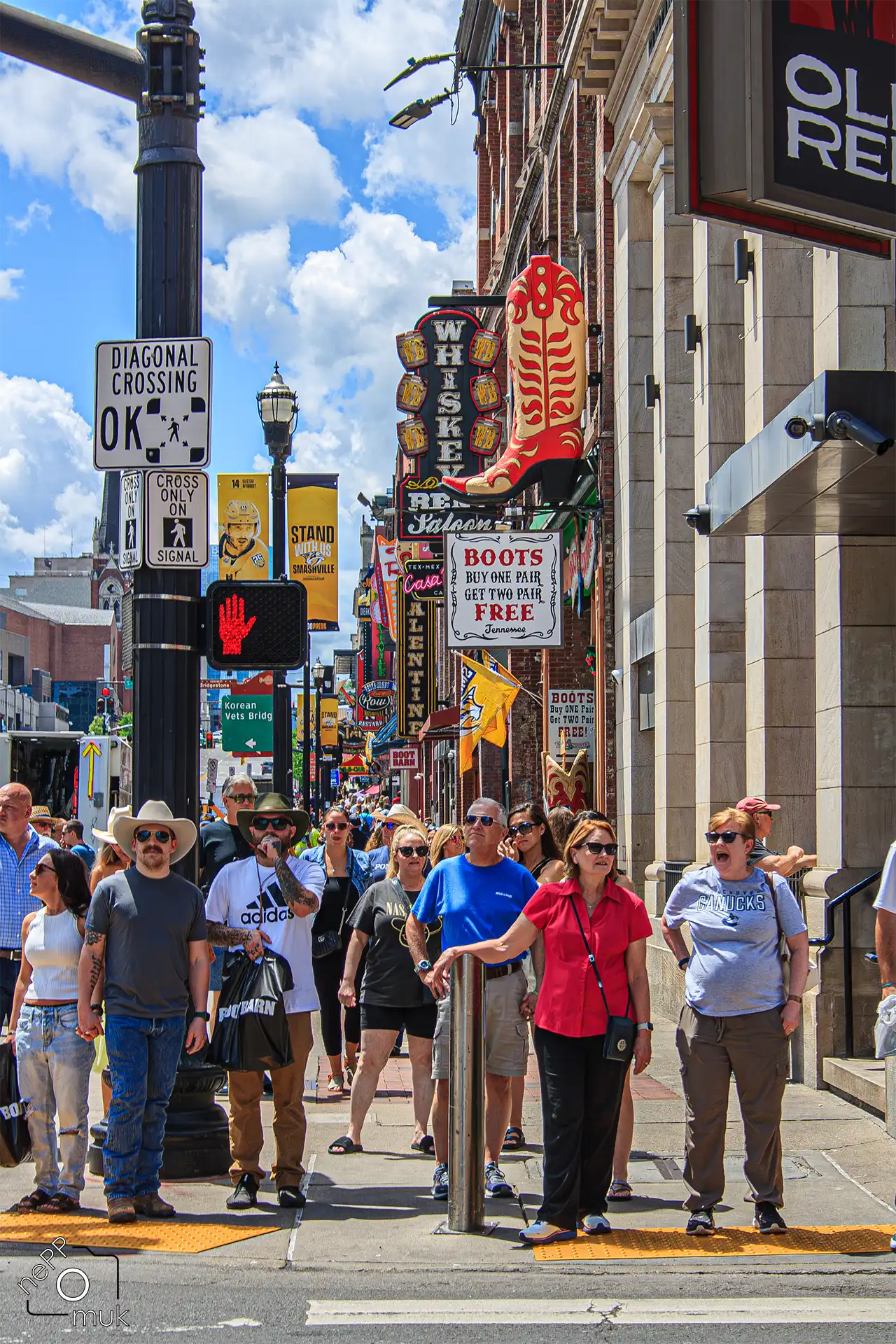
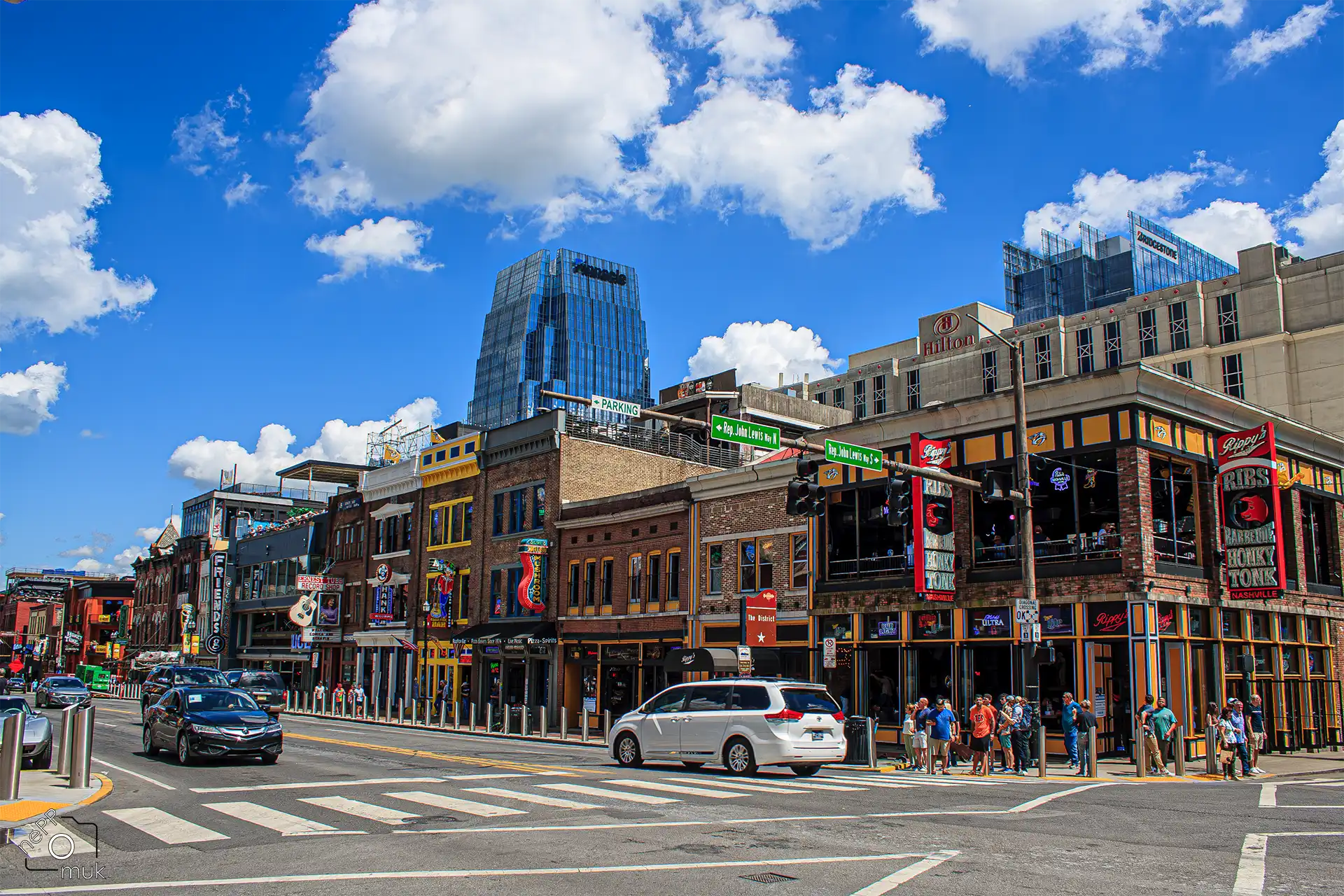
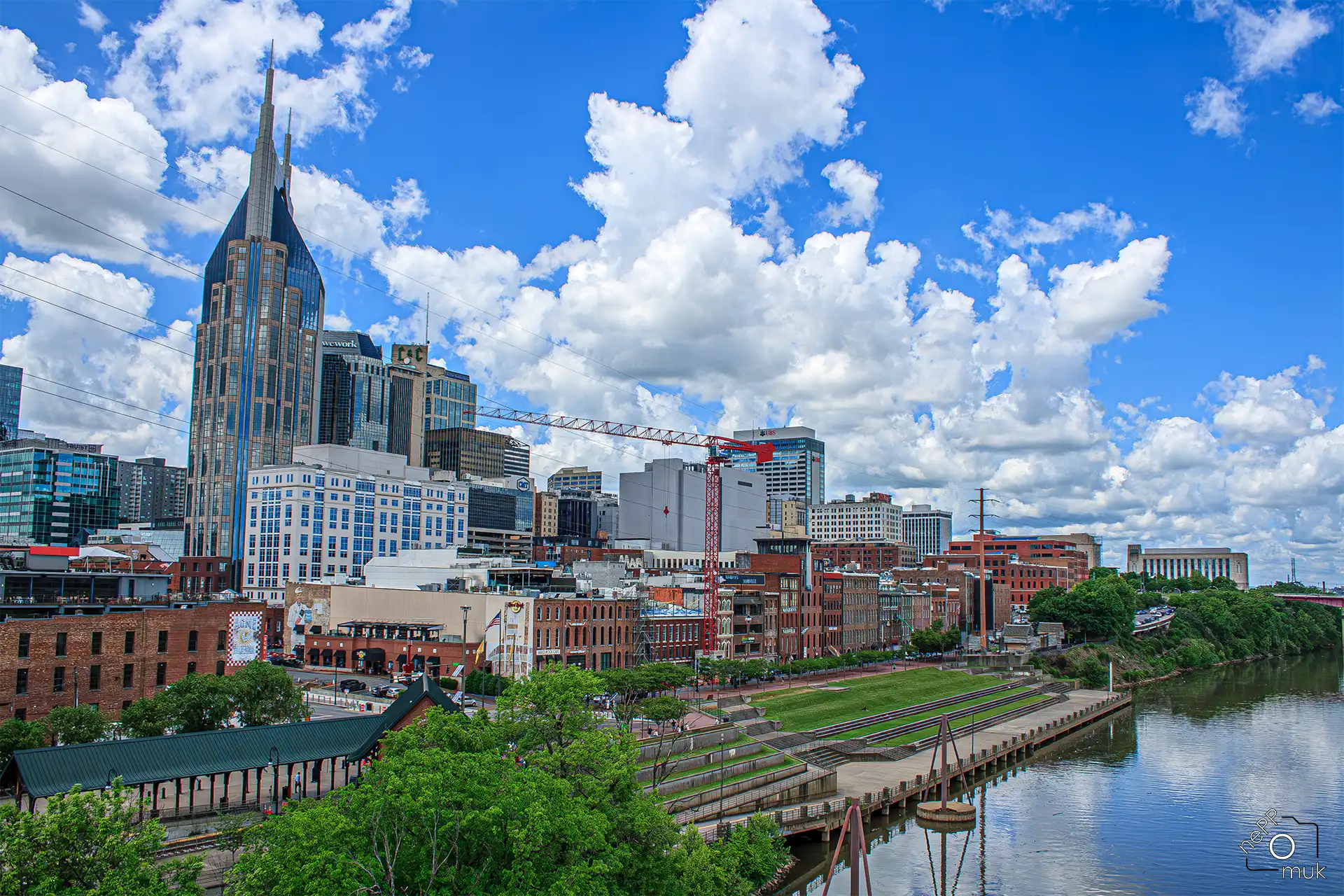
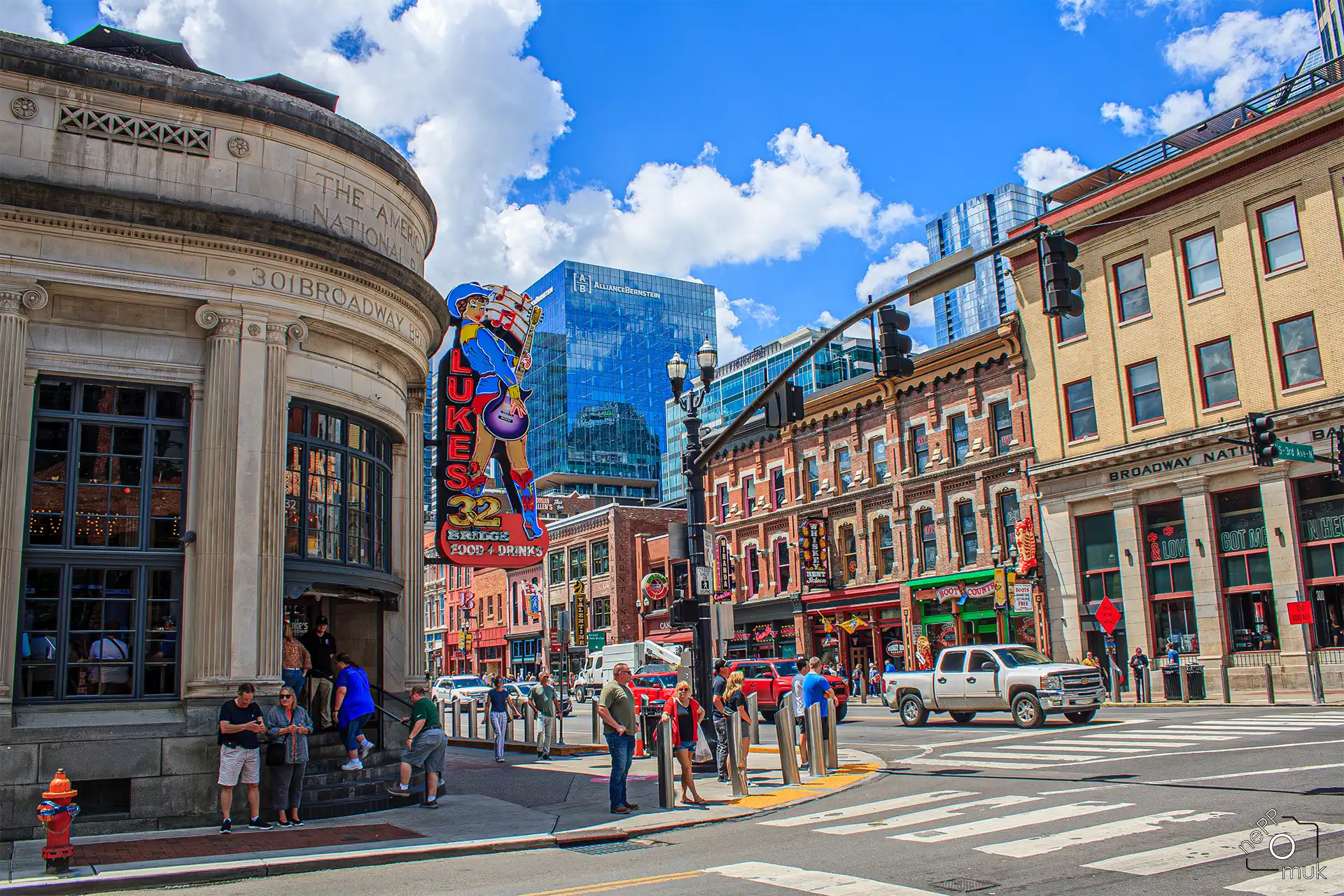
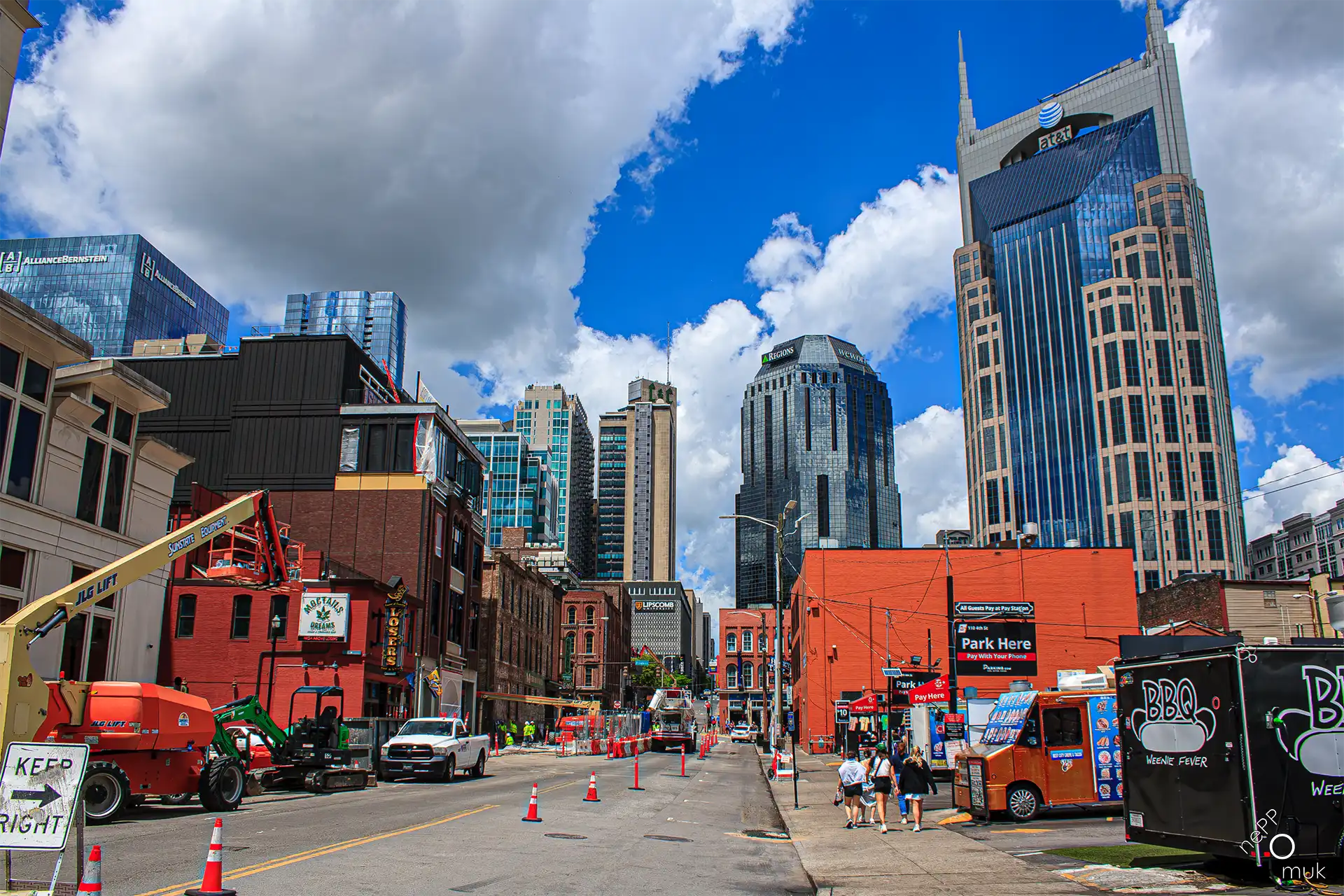
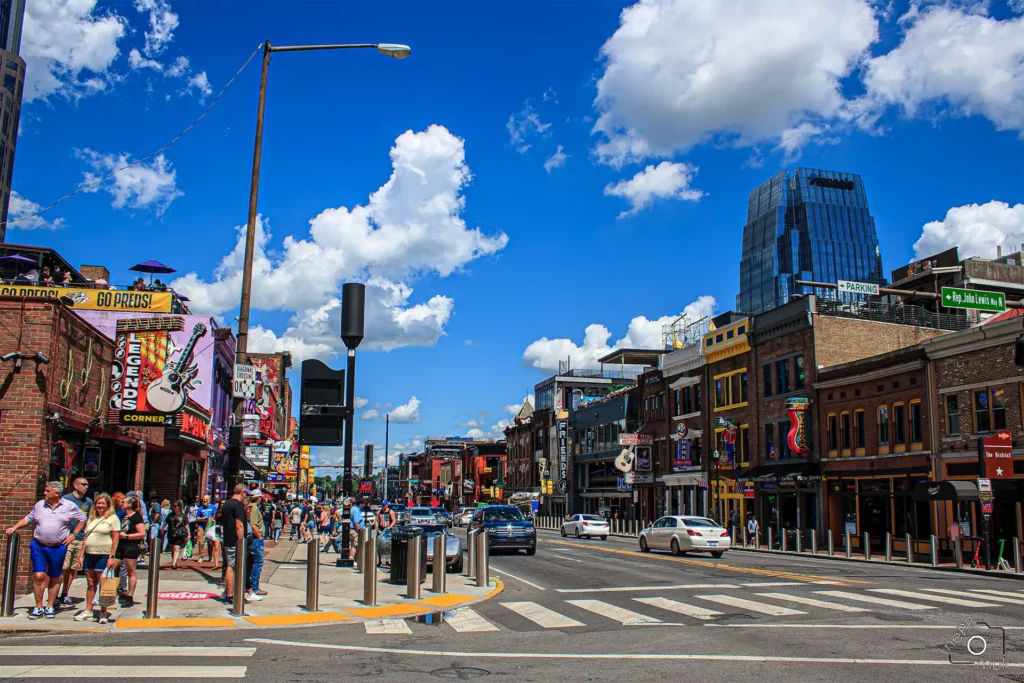
Besonders sichtbar wird dieses Selbstverständnis entlang der Lower Broadway. In den Honky-Tonks wechseln sich Livebands im Minutentakt ab – meist ohne Eintritt, oft auf erstaunlich hohem Niveau. Viele Musiker stehen hier am Anfang ihrer Karriere, andere sind längst Teil der professionellen Szene. Diese permanente Präsenz von Livemusik verleiht der Stadt eine ungewöhnliche Dichte und Authentizität, die weit über folkloristische Klischees hinausgeht.
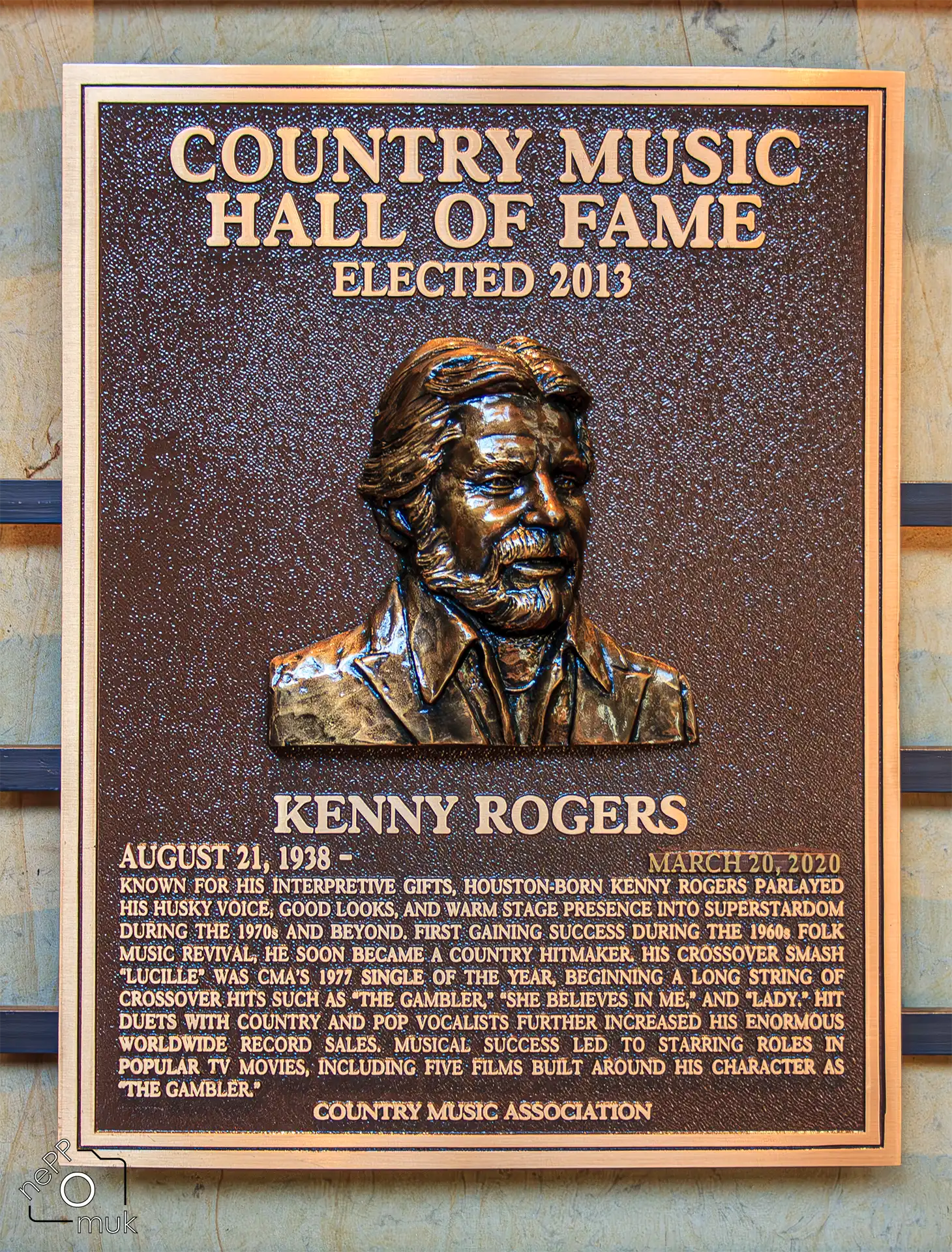
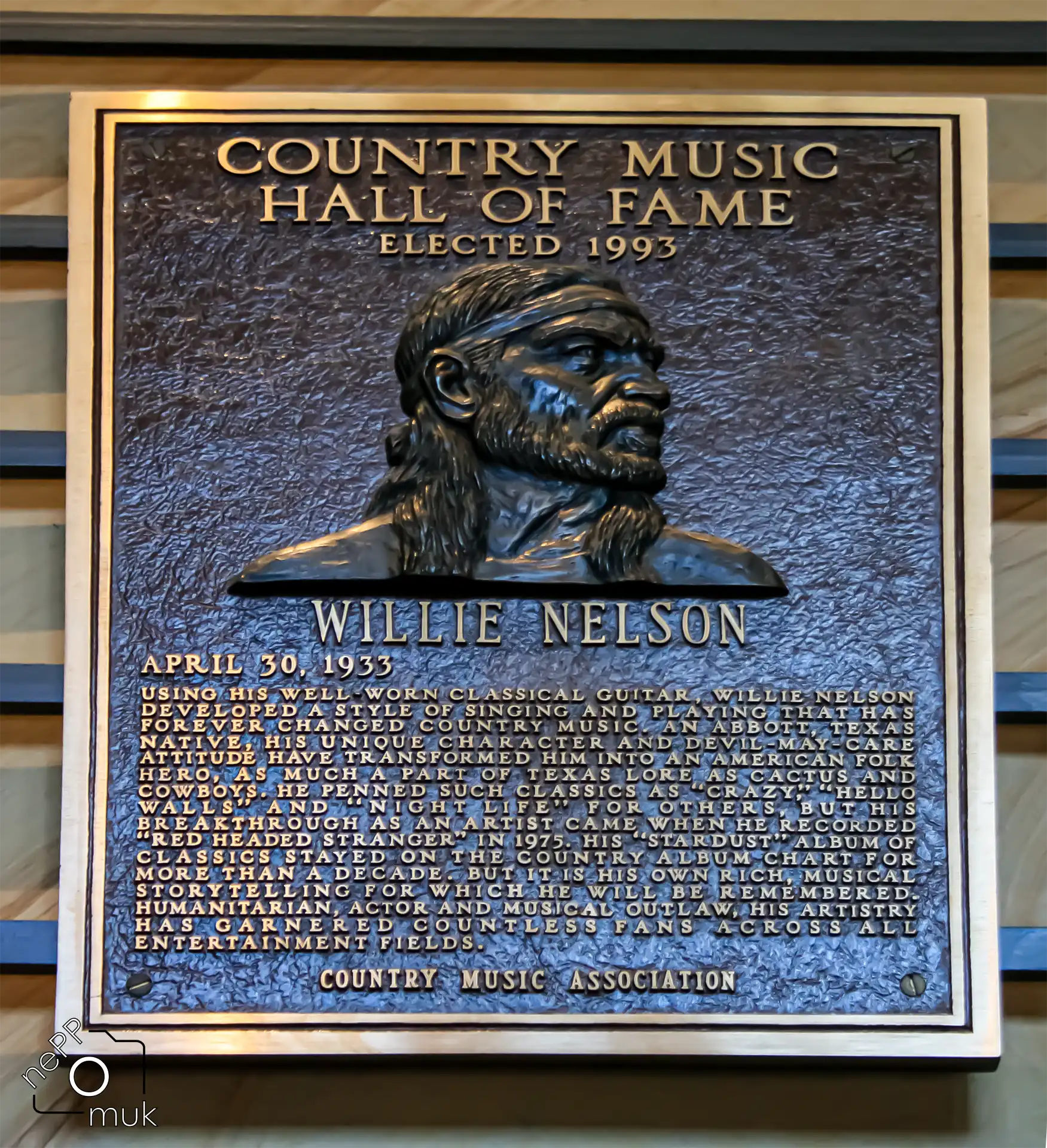
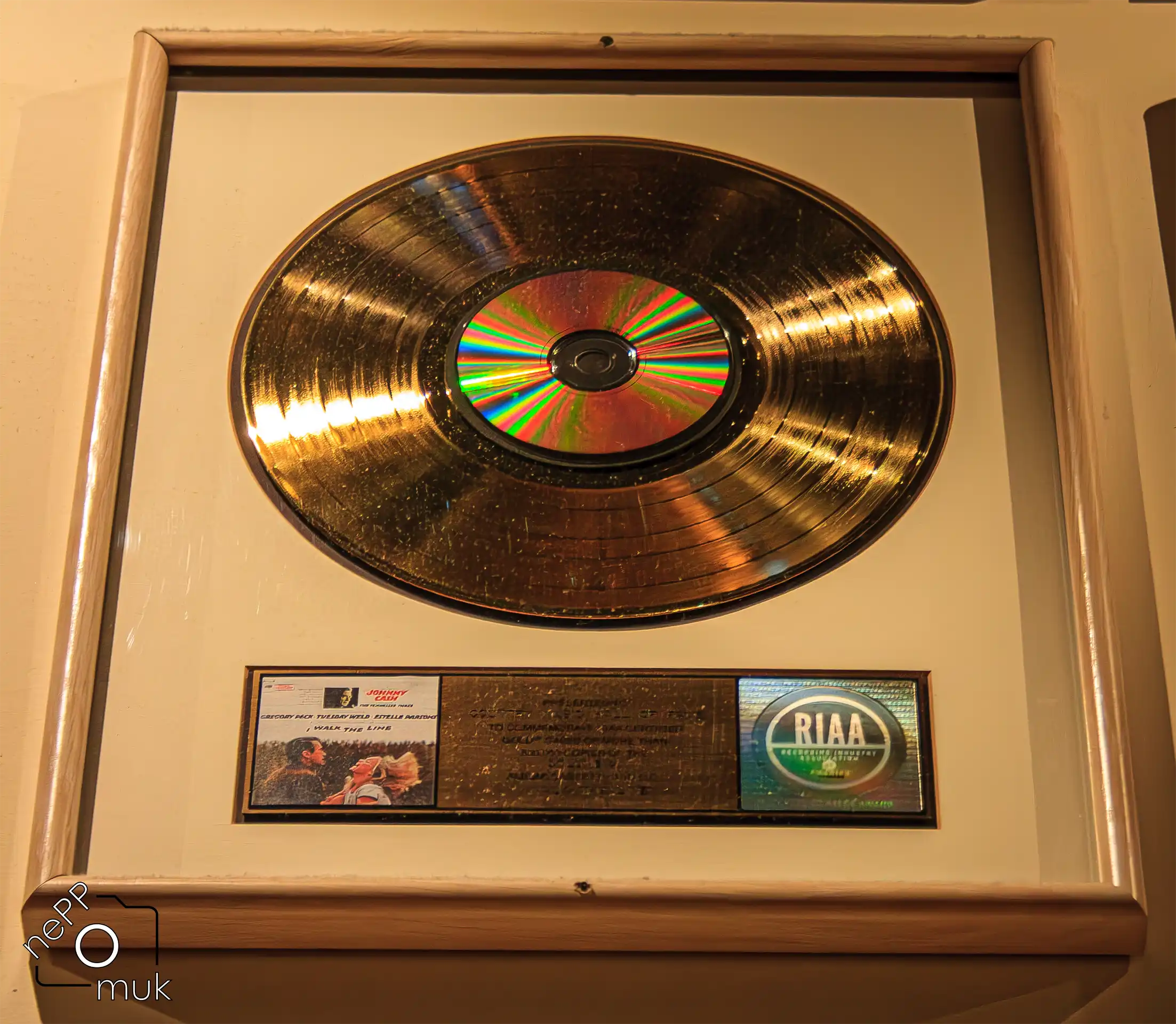
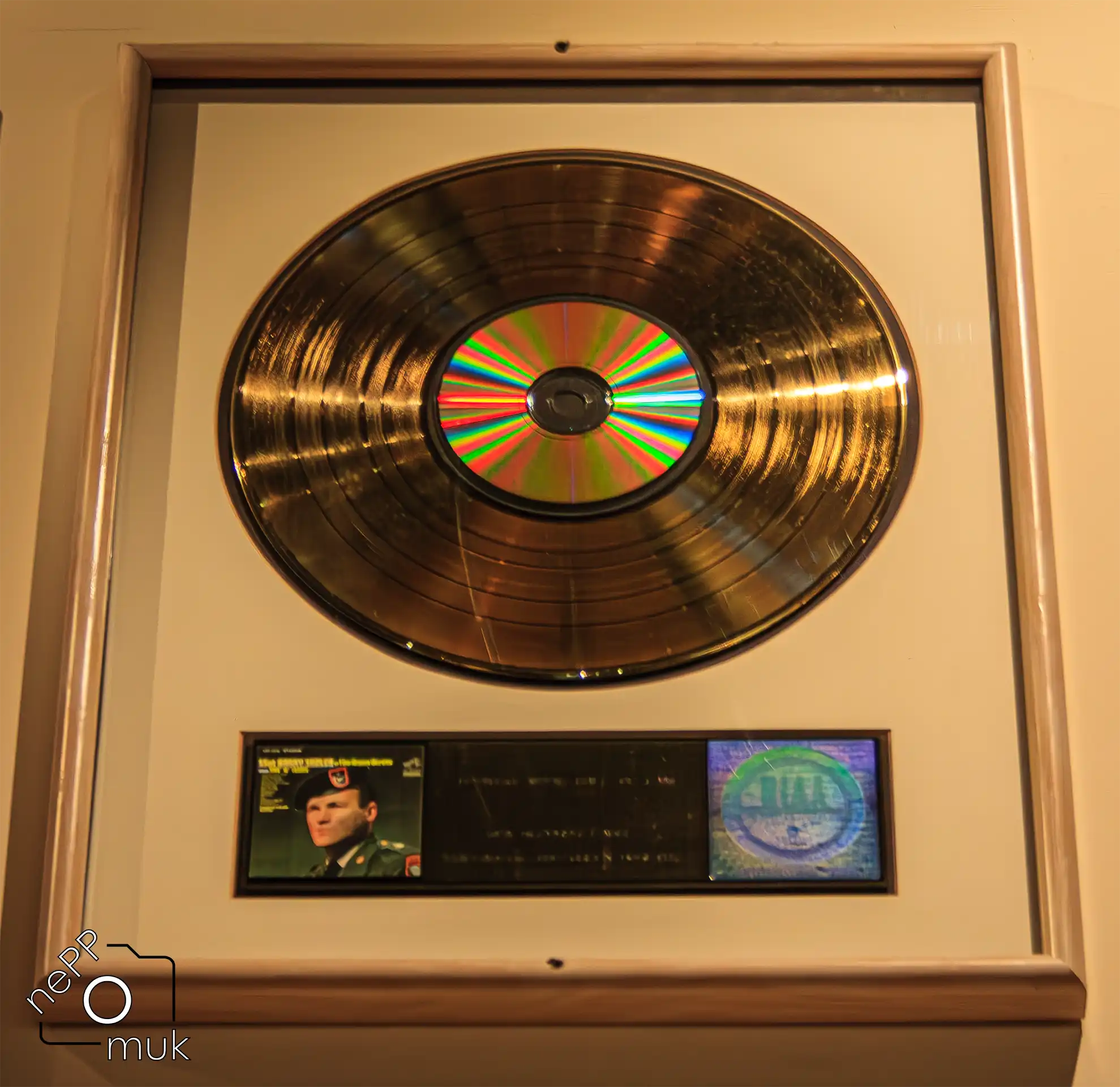
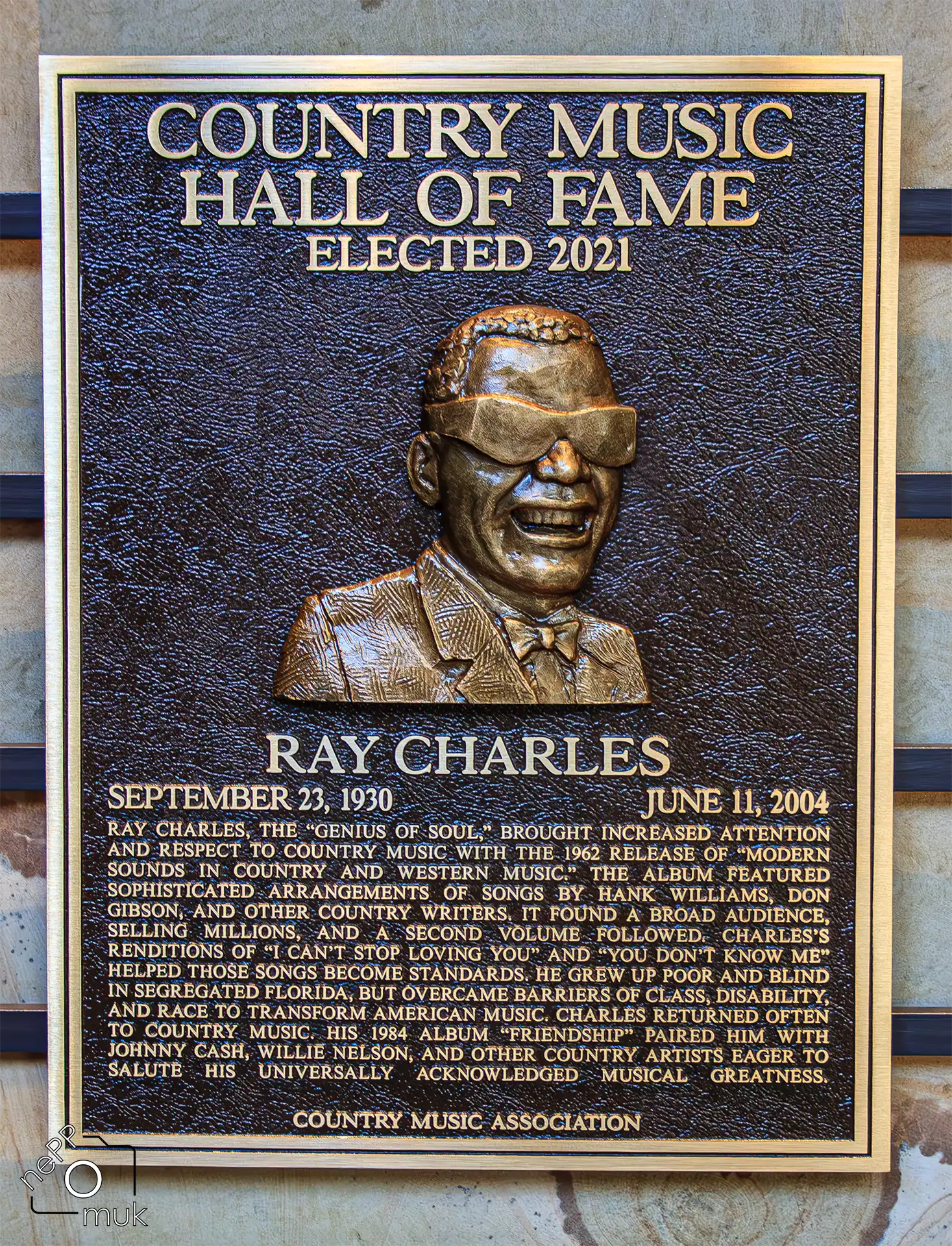
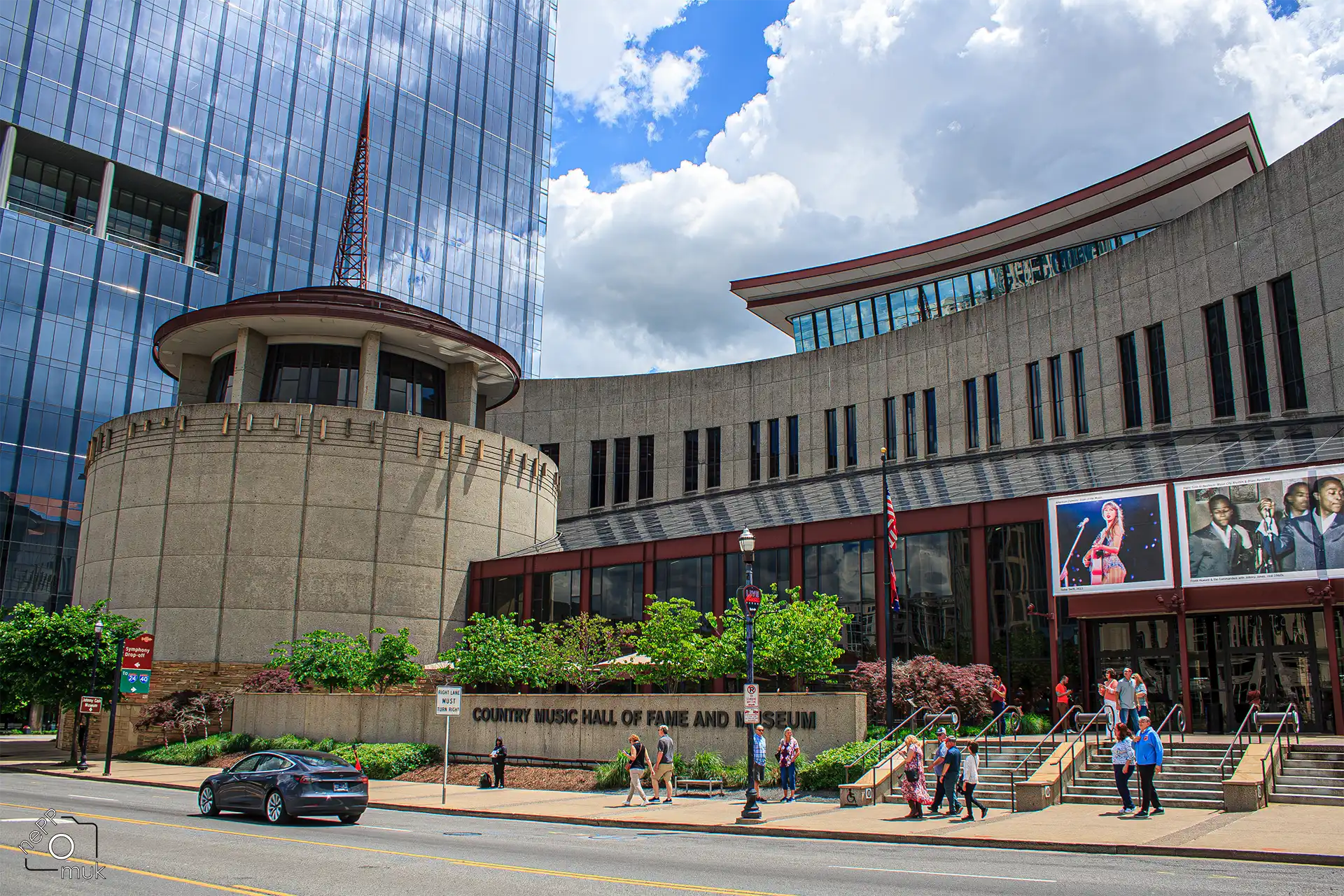
Dabei ist Nashville längst nicht mehr ausschließlich Country-orientiert. Rock, Americana, Folk, Blues, Gospel, Jazz und Pop sind fest verankert. Zahlreiche international erfolgreiche Künstler verschiedenster Genres leben und arbeiten hier, nicht zuletzt wegen der hohen handwerklichen Qualität der Musiker und Songwriter. Das Country Music Hall of Fame and Museum dokumentiert diese Entwicklung ebenso wie die stilistische Öffnung der Stadt.
„Music City“ beschreibt somit nicht nur ein musikalisches Erbe, sondern eine lebendige Gegenwart. Nashville ist Produktionsort, Experimentierfeld und Bühne zugleich. Musik wird hier nicht museal bewahrt, sondern täglich neu gedacht – und genau das macht ihren Stellenwert für die Stadt und ihre Identität aus.
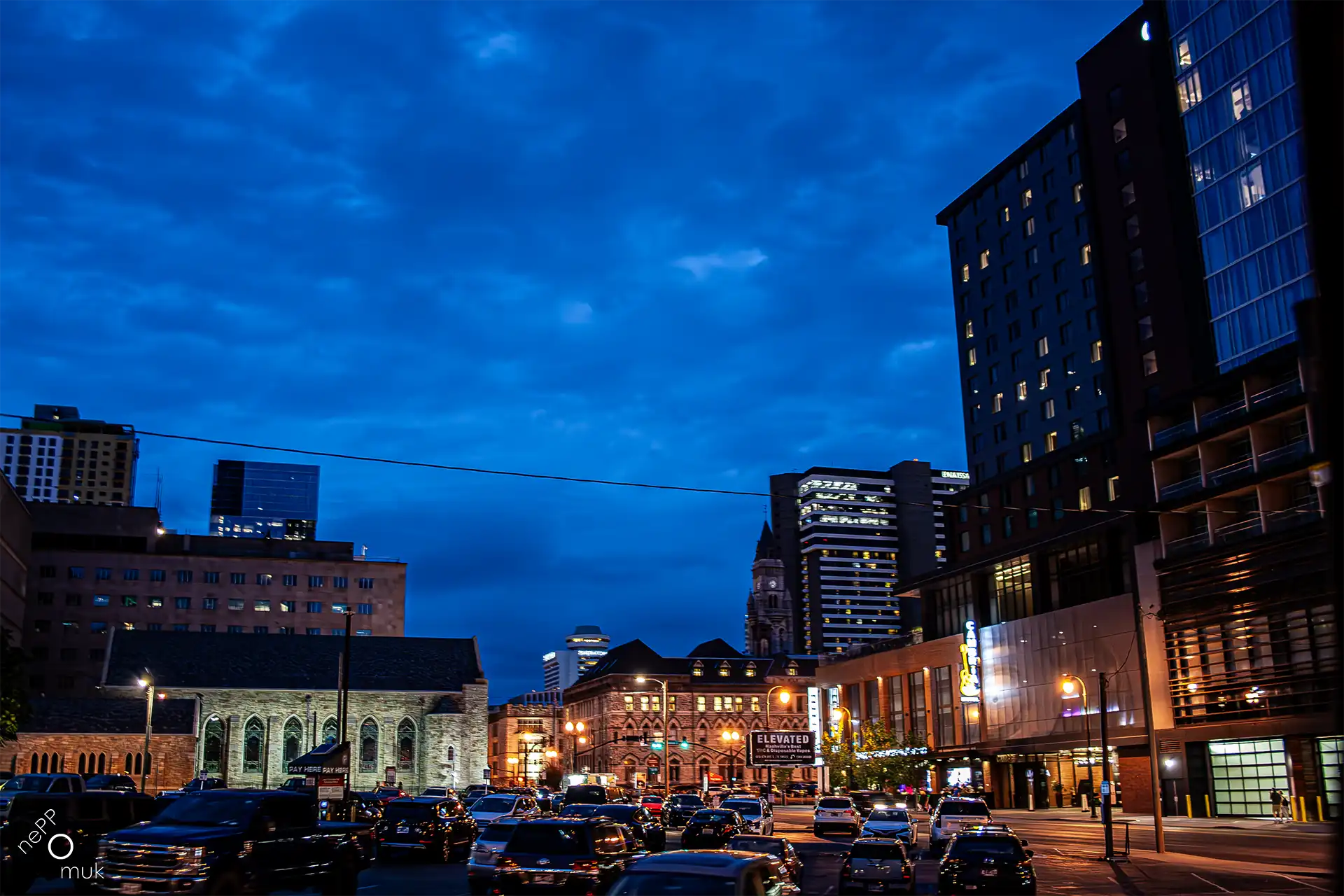
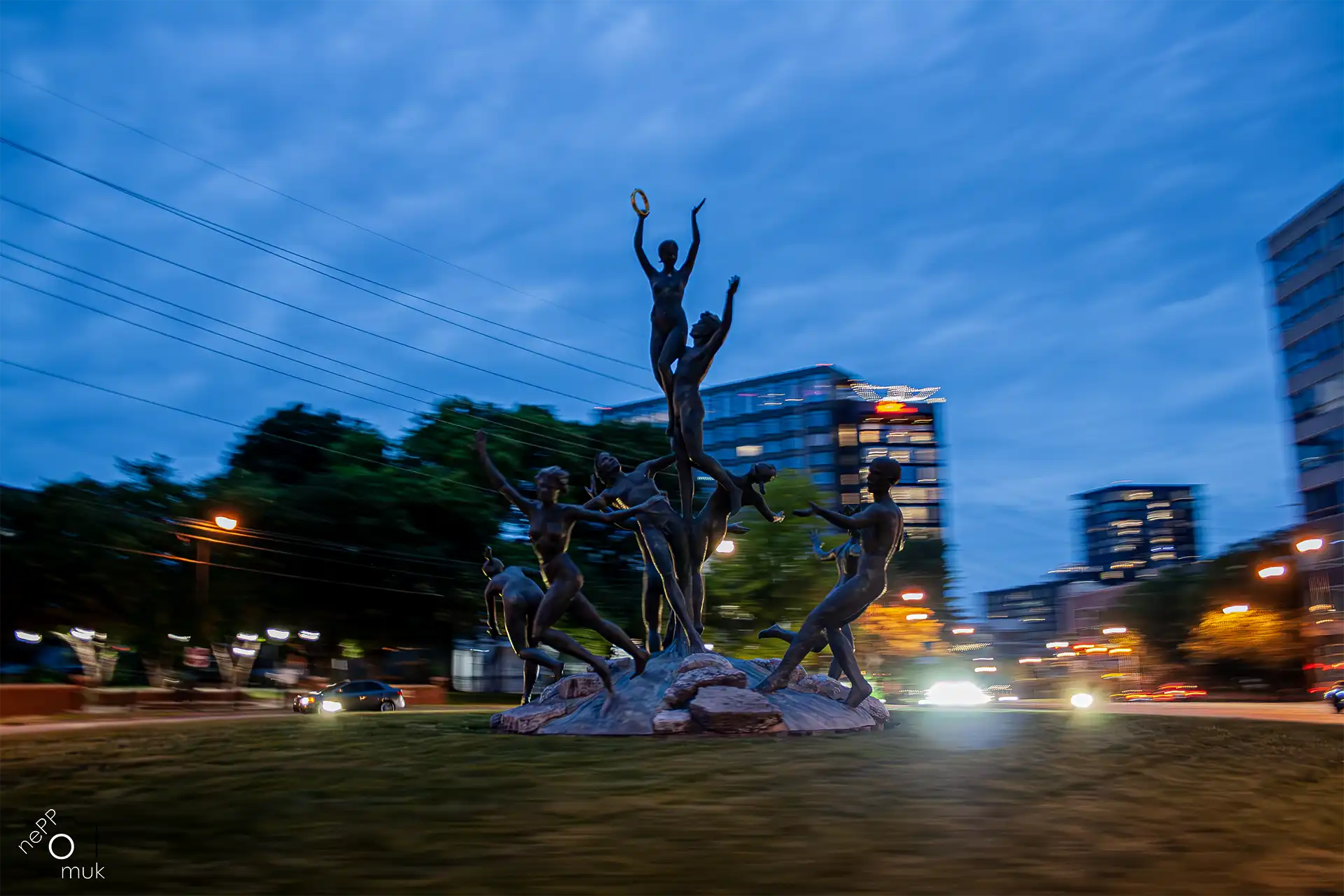
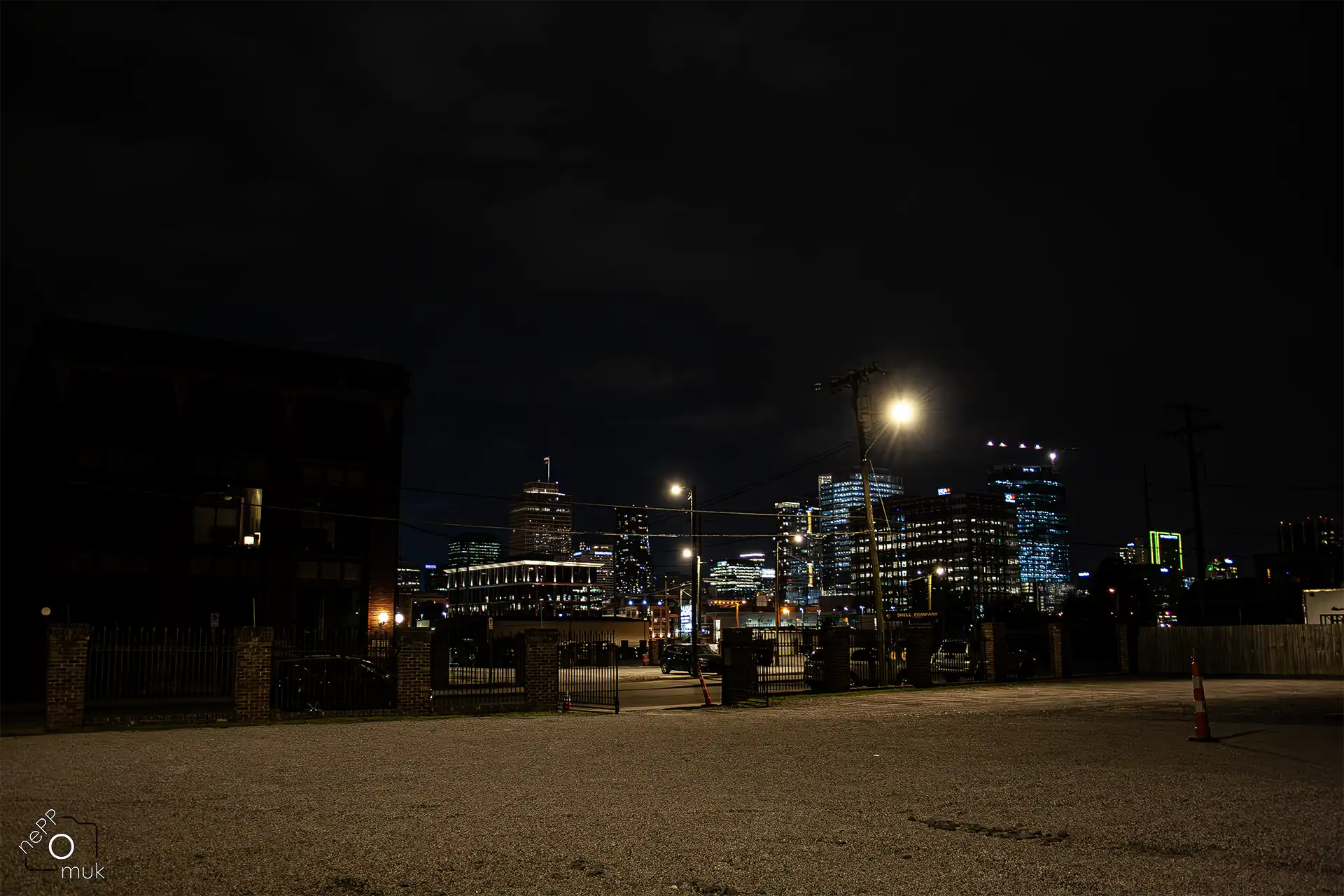
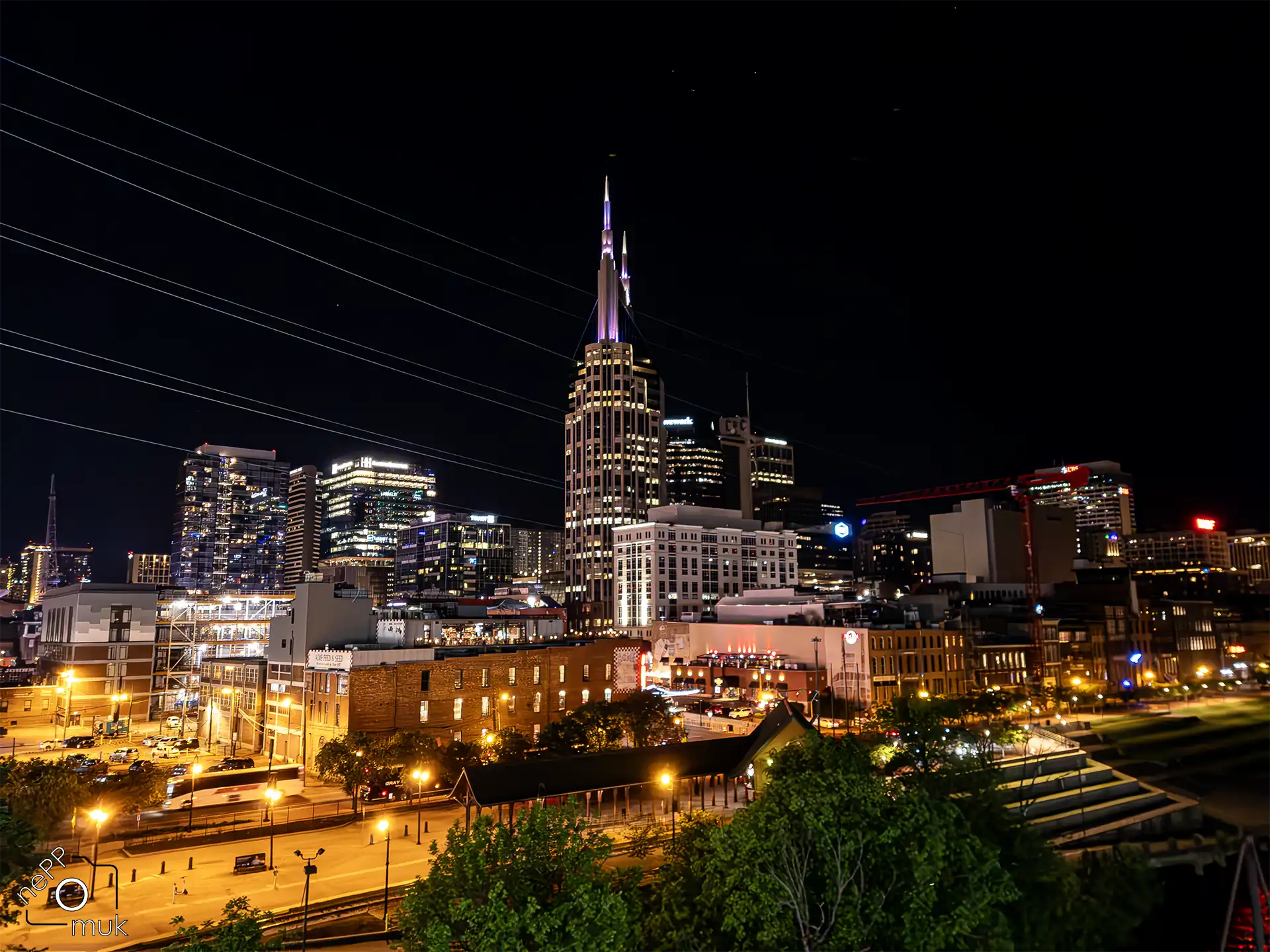
@night
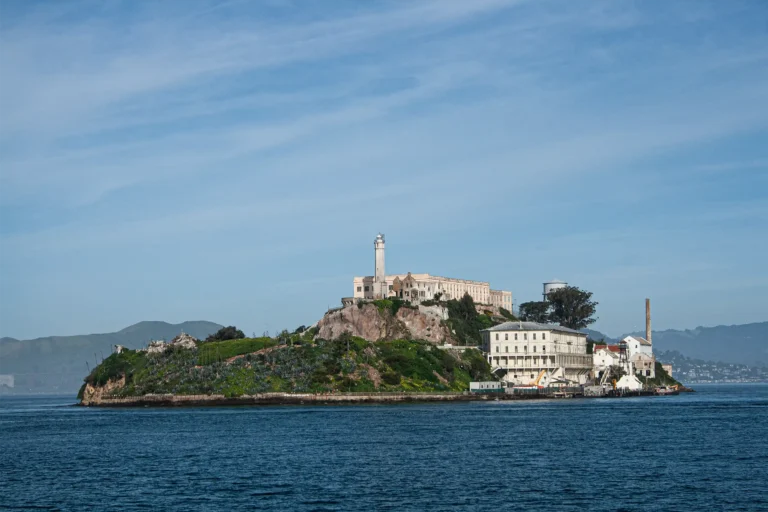
San Francisco, located on the west coast of the USA, is the heart of the Bay Area, a region known for its breathtaking natural beauty and economic importance. The city stretches over hilly terrain at the tip of a peninsula and is surrounded by the picturesque San Francisco Bay. This strategic location makes San Francisco a major cultural and economic center. Its proximity to Silicon Valley fosters innovation and technology, while the port serves as an important hub for trade and tourism. San Francisco combines urban progress with natural beauty and plays a central role in the dynamics of the entire Bay Area.
Read more
Its location in the Bay Area is crucial to San Francisco’s economic importance. The city benefits from its proximity to Silicon Valley, the global center for technology and innovation. Many leading technology companies and start-ups are based in the region, making San Francisco a magnet for talent from all over the world. This economic dynamism attracts skilled workers and investment and strengthens the city’s position as a center of innovation.
The port of San Francisco also plays a crucial role in international trade. As an important hub on the Pacific coast, it provides access to Asian markets and serves as a hub for the import and export of goods. This not only promotes trade, but also the growth of logistics and service companies in the region.
The natural beauty of the Bay Area also contributes to San Francisco’s appeal. The city is surrounded by national parks, beaches and hiking trails that offer a high quality of life and attract tourists from all over the world. Tourism is another important industry that creates jobs and strengthens the local economy.
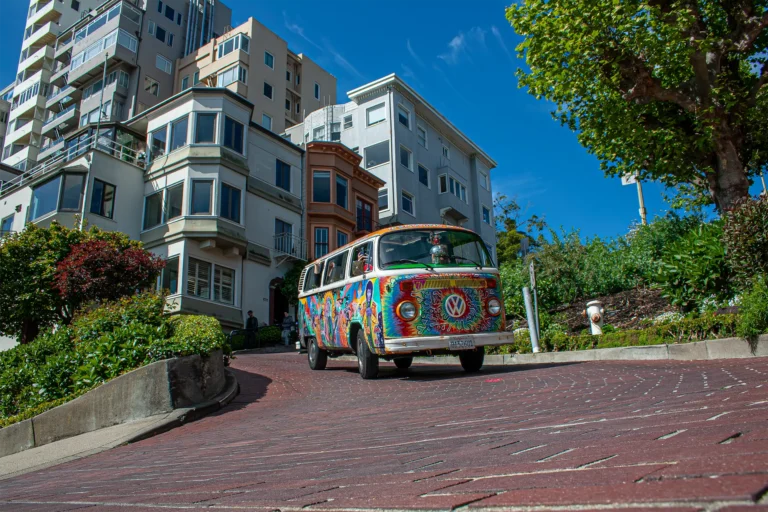
San Francisco’s cultural diversity is reflected in its various neighborhoods, each with its own unique character. This diversity not only attracts tourists, but also fosters a creative and innovative atmosphere that is crucial to the city’s economic growth.
In summary, San Francisco benefits greatly from its location in the Bay Area. Its proximity to Silicon Valley, its major port and the natural beauty of the region make the city an economic and cultural powerhouse. These factors contribute to San Francisco remaining one of the most dynamic and influential cities in the world.
San Francisco benefits greatly from its location in the Bay Area, which promotes innovation, trade and cultural diversity. Its proximity to Silicon Valley and its major port strengthen its economic dynamism, while its natural beauty and cultural appeal offer a high quality of life. In the future, San Francisco will continue to play a key role as a global innovation center, with a focus on sustainable urban development and technological advances. Initiatives to address social challenges such as homelessness and the high cost of living will be critical to ensuring quality of life for all residents and maintaining the city as a dynamic and diverse metropolis.